![NBM Logo White 1200px 72dpi [RGB]](png/nbm_logo_white_1200px_72dpi_rgb.png "NBM Logo White 1200px 72dpi [RGB]")
D.C.’s Grand Streets, Past and Present
September 9, 2025
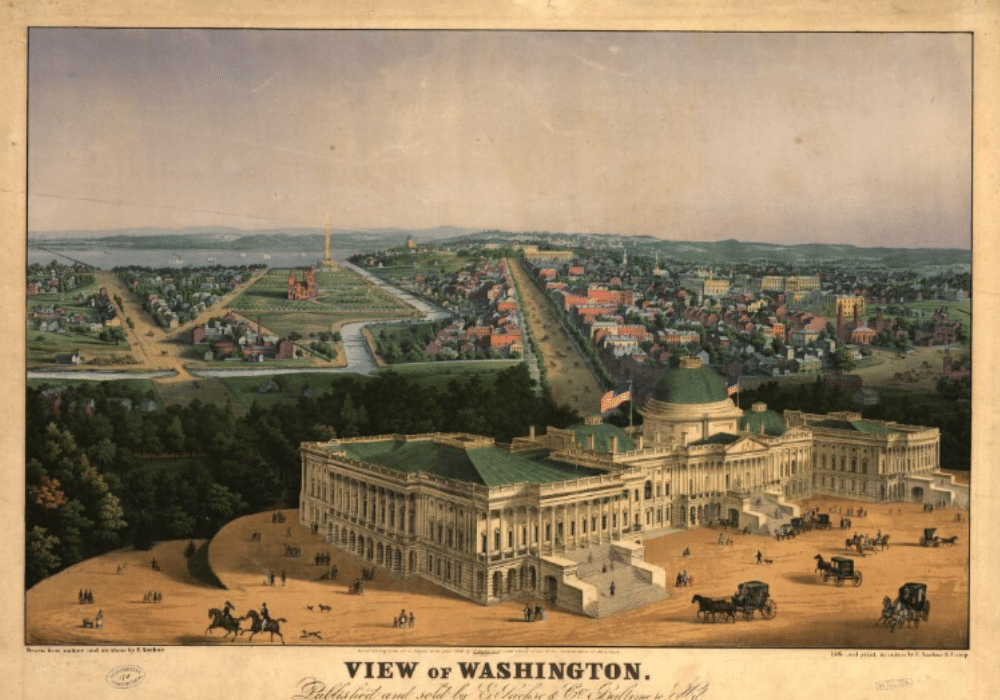
When Pierre L’Enfant laid out his grand plan for the nation’s capital in 1791, he imagined a new kind of American city: an orderly grid punctuated by broad avenues that cut dramatically across its streets, meeting at the Capitol dome. At first, many of those avenues existed only on paper, waiting decades to take shape. But as Washington grew, these streets became the city’s defining features. Some carried presidents in inaugural parades, others bustled with commerce, while still others became cultural landmarks where communities left their mark. To walk D.C.’s avenues today is to trace the city’s history, where the design of a capital meets the life of a metropolis.
Read on to discover how some of D.C.’s most iconic streets and avenues came to be.
Connecticut Avenue
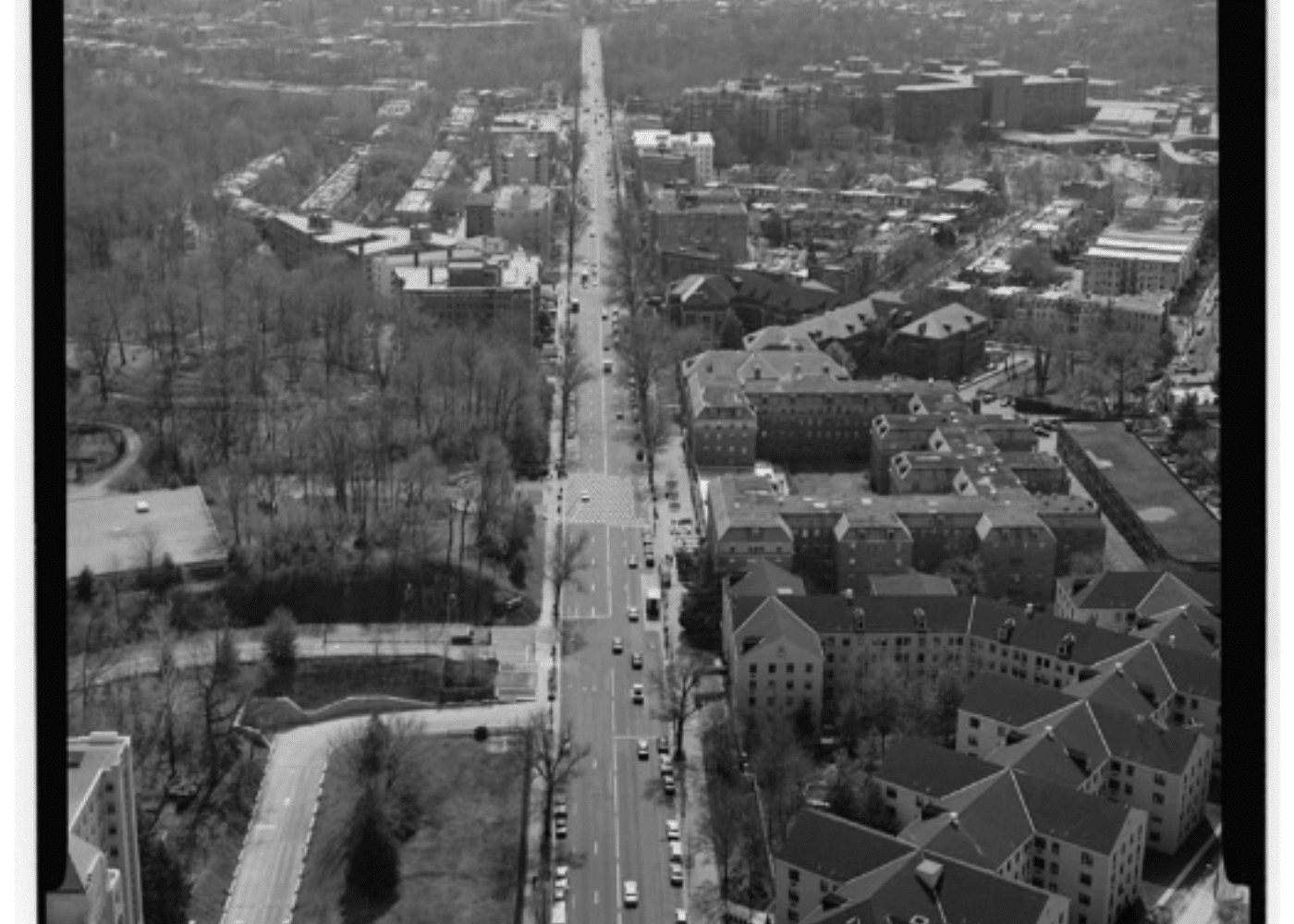
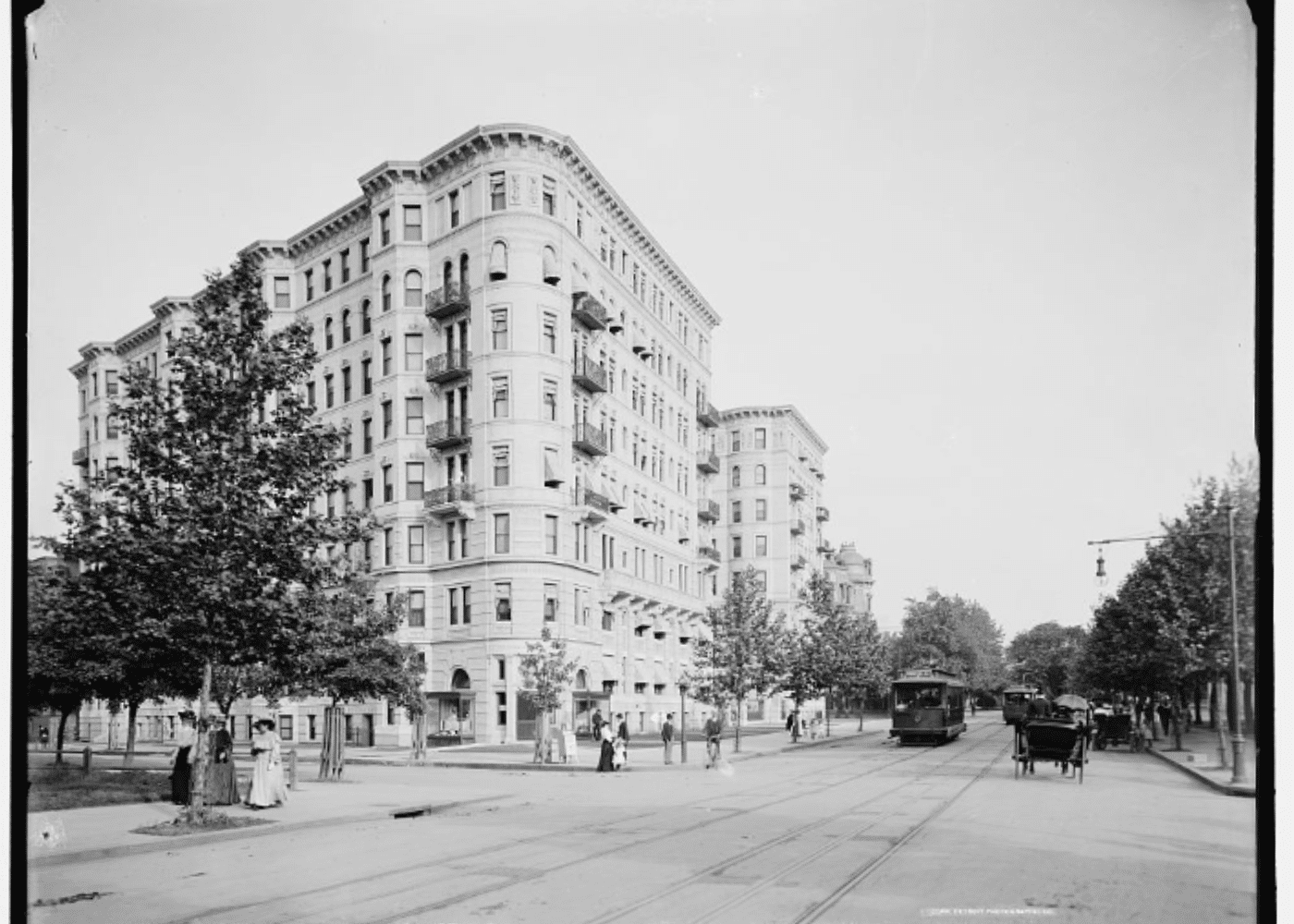
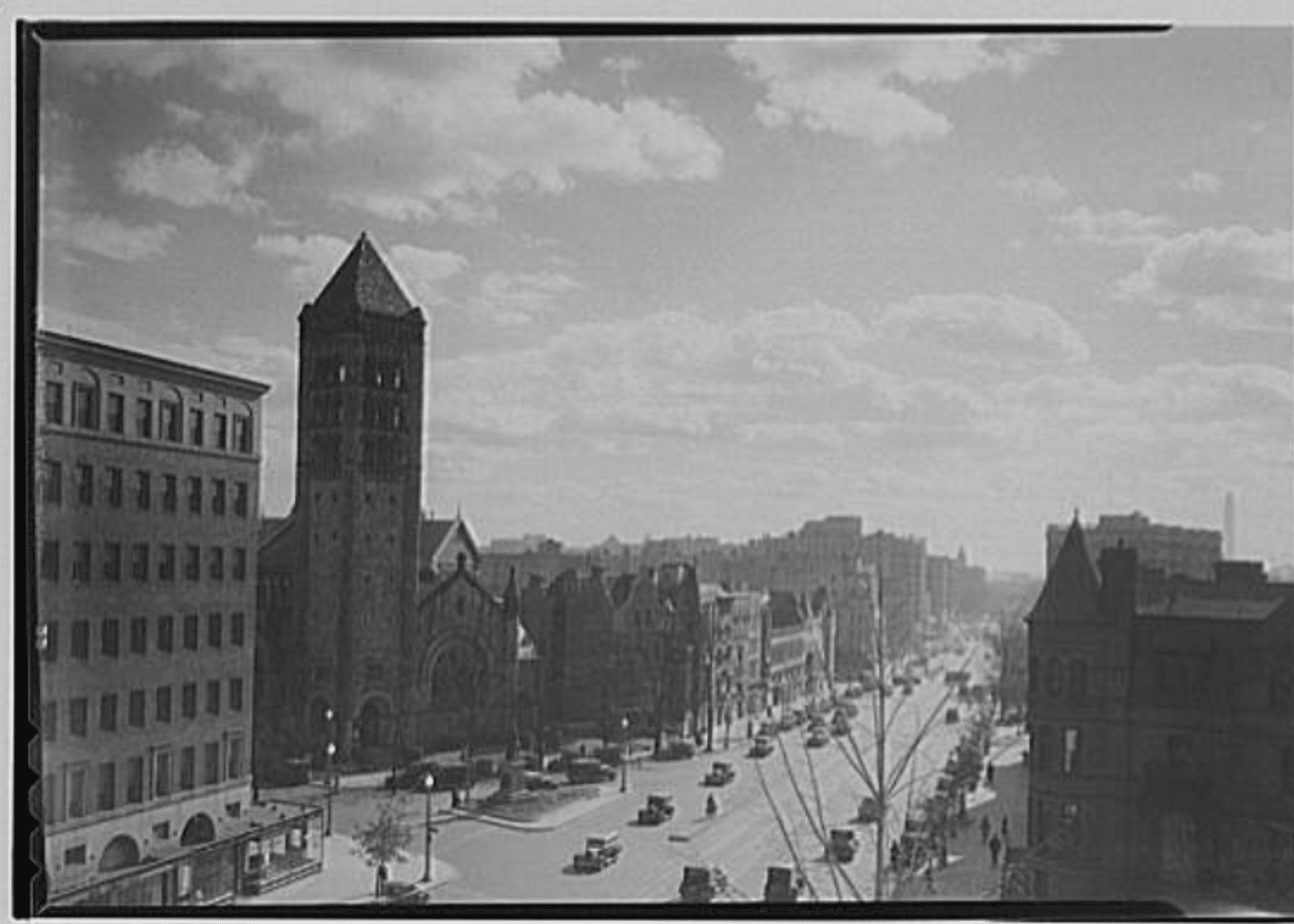
Connecticut Avenue NW is one of D.C.’s most prominent diagonal avenues, part of L’Enfant’s plan linking the White House to the city’s northern reaches and beyond into Maryland. Beginning at Lafayette Square, the avenue cuts across Dupont Circle and continues through residential and commercial neighborhoods, including Woodley Park, Cleveland Park, and Chevy Chase.
In the late 19th and early 20th centuries, Connecticut Avenue became a fashionable address, lined with grand hotels, elegant apartment buildings, and embassies. The opening of Rock Creek Park in 1890 and later the Taft Bridge in 1907 made the avenue a vital commuter and leisure route, connecting downtown to the growing suburbs. During the 20th century, the avenue developed a dual identity: a bustling urban corridor downtown and an upscale boulevard in Northwest D.C. Its mix of office towers, restaurants, and cultural institutions made it both a commuter artery and a destination in its own right.
Wisconsin Avenue
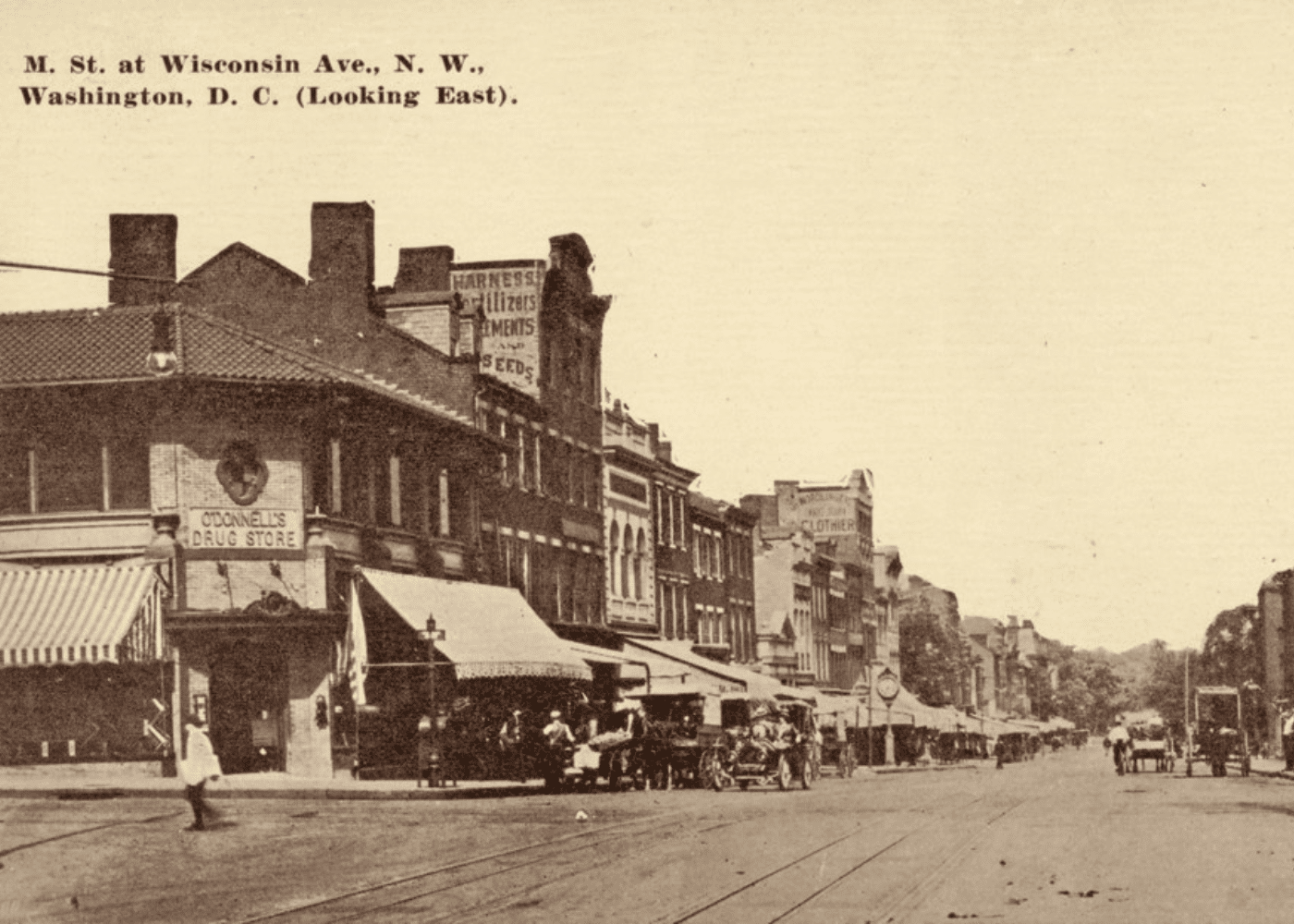
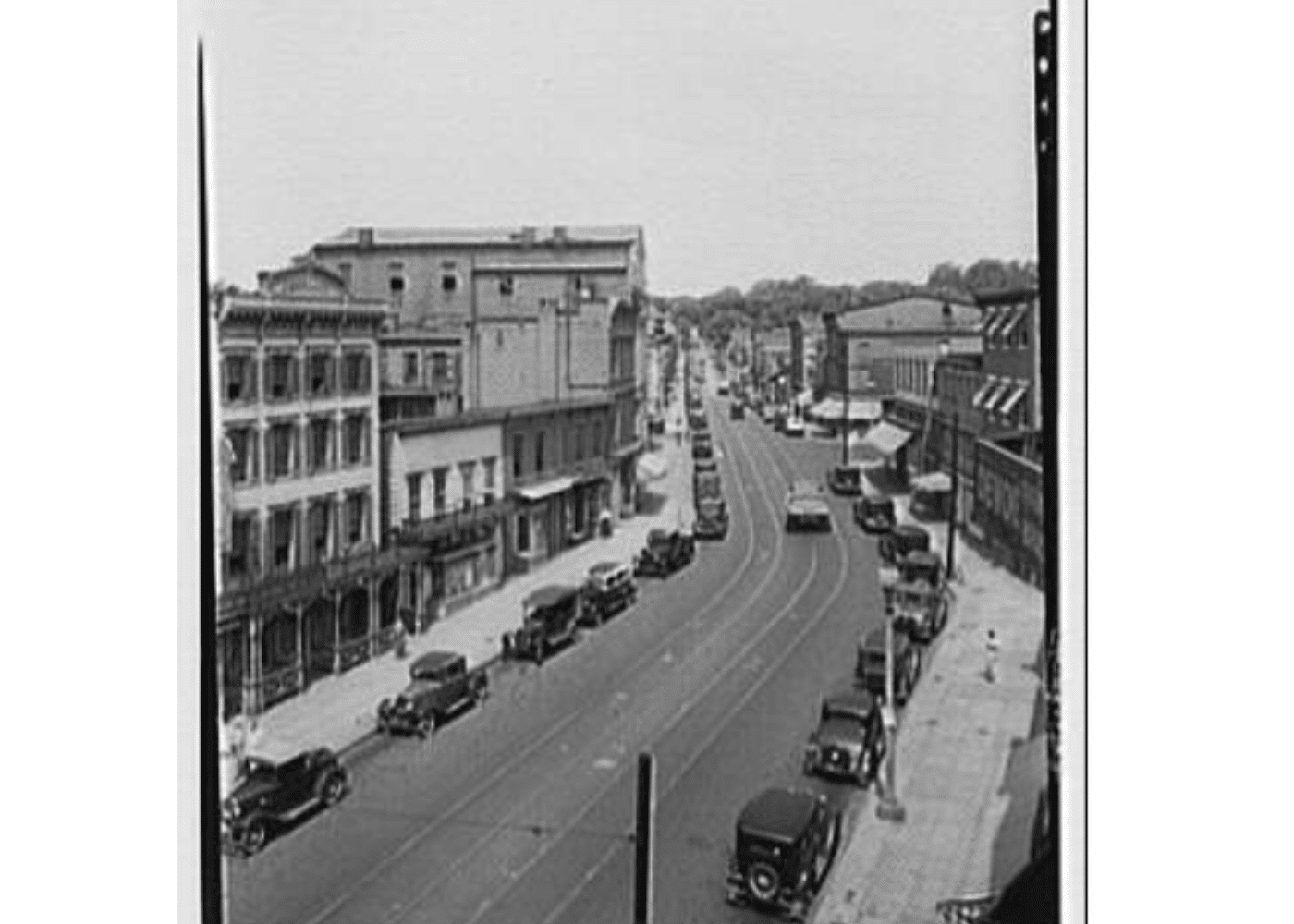
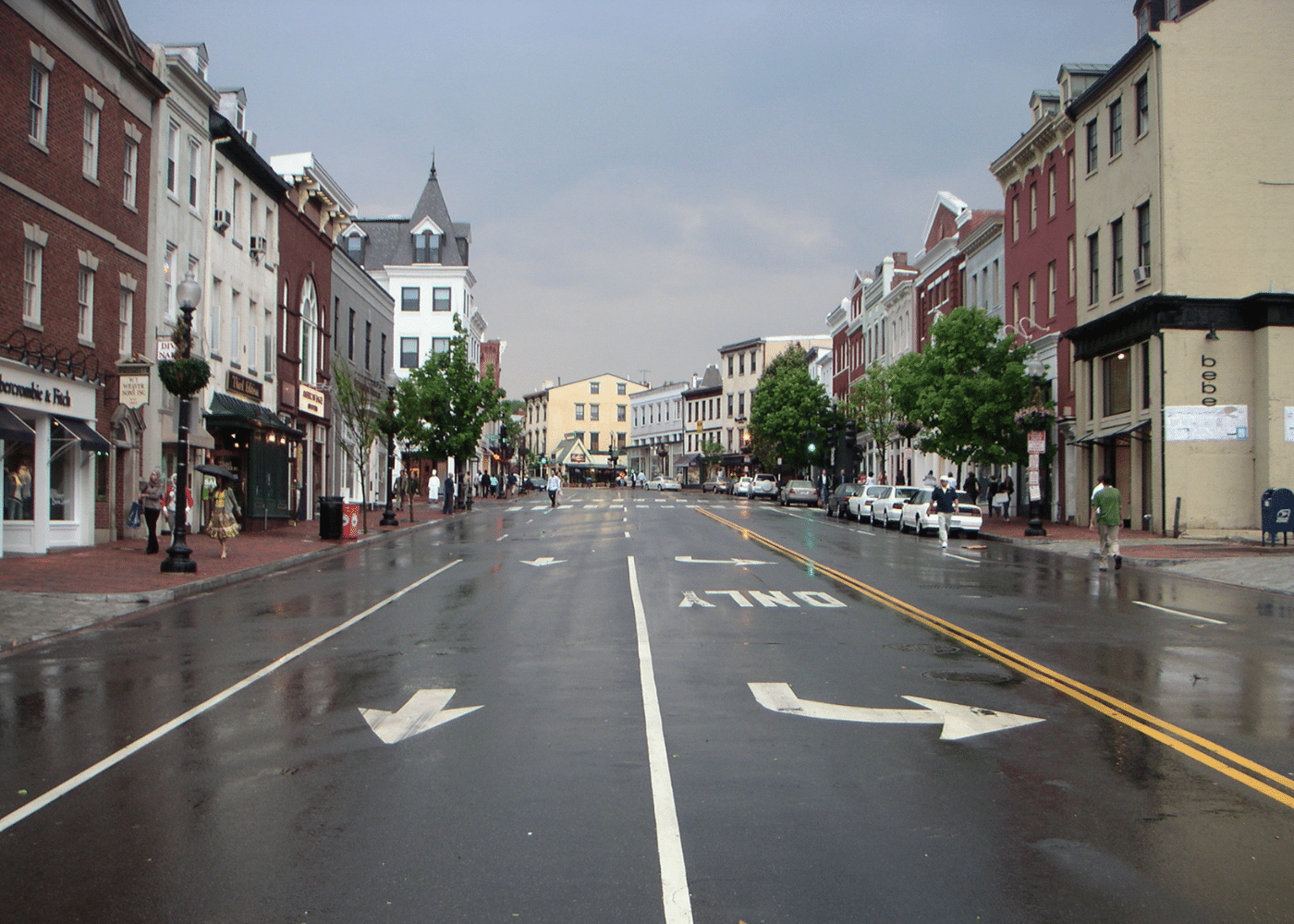
Wisconsin Avenue NW is one of D.C.’s oldest and most important diagonal avenues, predating the city itself. It began as a colonial-era road linking Georgetown to farms in Maryland, eventually becoming a key route to Frederick and points north.
When Georgetown was incorporated into D.C., Wisconsin Avenue served as the main north–south street, lined with shops, markets, and warehouses that supported the bustling port along the Potomac. In the late 19th and early 20th centuries, the street extended north into the developing suburbs, spurred by the expansion of streetcar lines that transformed it into a key commuter route and commercial hub. Today, Wisconsin Avenue blends history with modern commerce, serving as a shopping and dining destination for locals and visitors alike.
H Street
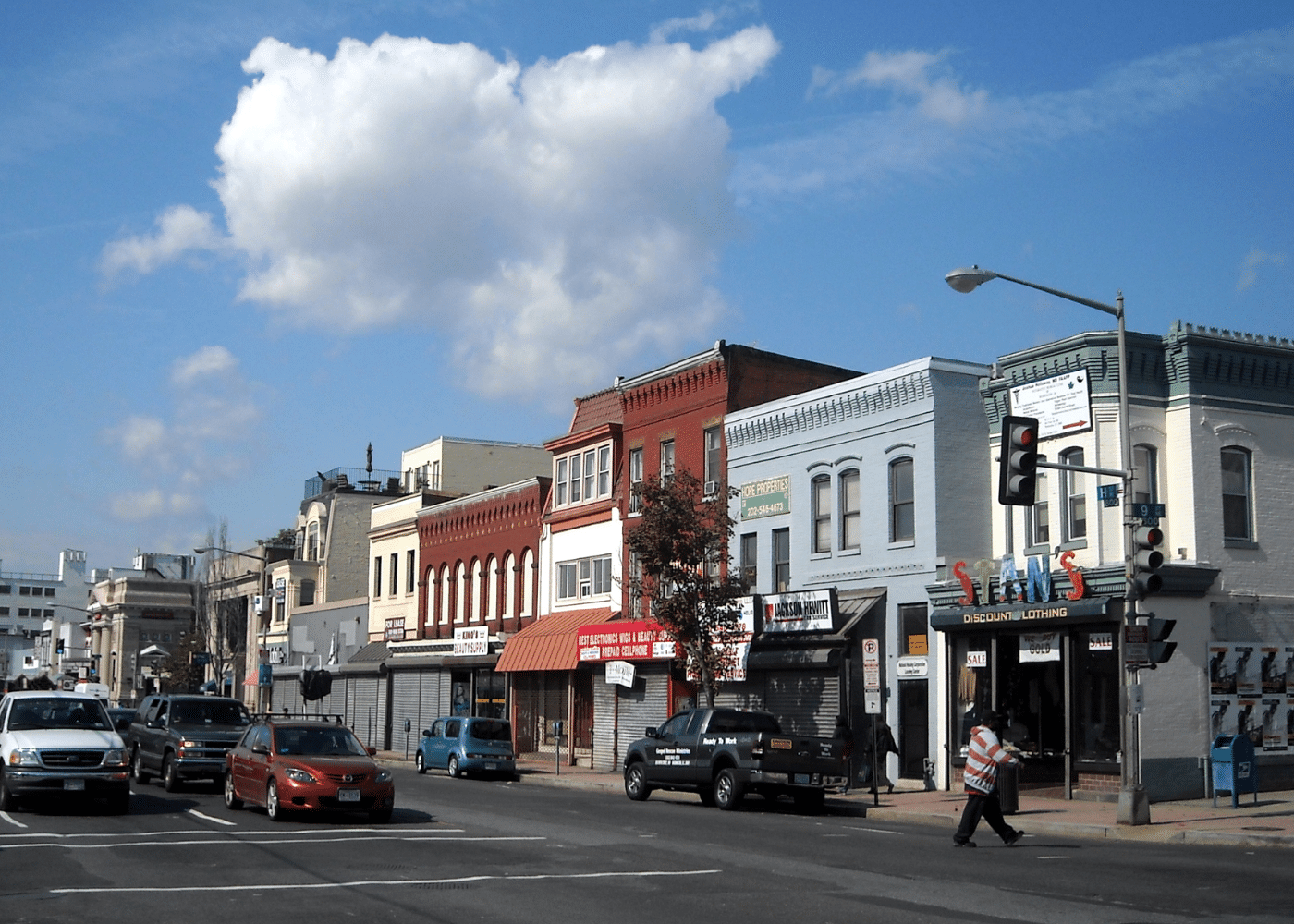
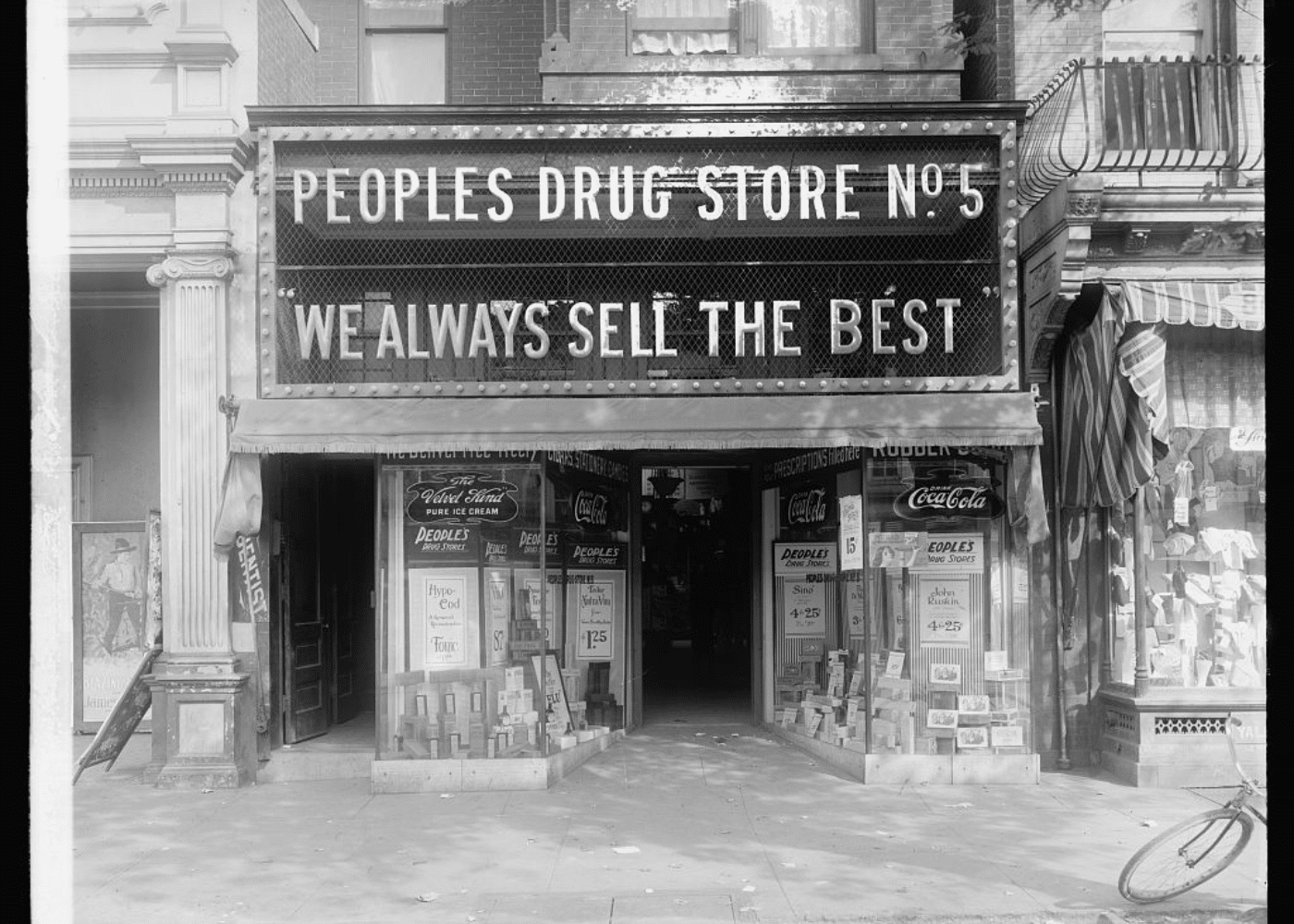
H Street spans multiple quadrants, but its most famous stretch is H Street NE, running east from Union Station. In the late 19th and early 20th centuries, this corridor became a thriving commercial hub thanks to the city’s streetcar network. H Street was a key route linking downtown to Northeast neighborhoods and the suburbs.
By the mid-20th century, the area was home to department stores, theaters, and a bustling retail scene. After decades of decline, the corridor began a dramatic revival, marked by the return of streetcar service in 2016. Today, H Street is a central nightlife and arts district, known for its mix of historic storefronts and modern developments. It hosts the annual H Street Festival, a celebration of music, food, and culture that attracts tens of thousands of visitors and reflects the neighborhood’s blend of past and present.

Branch Avenue
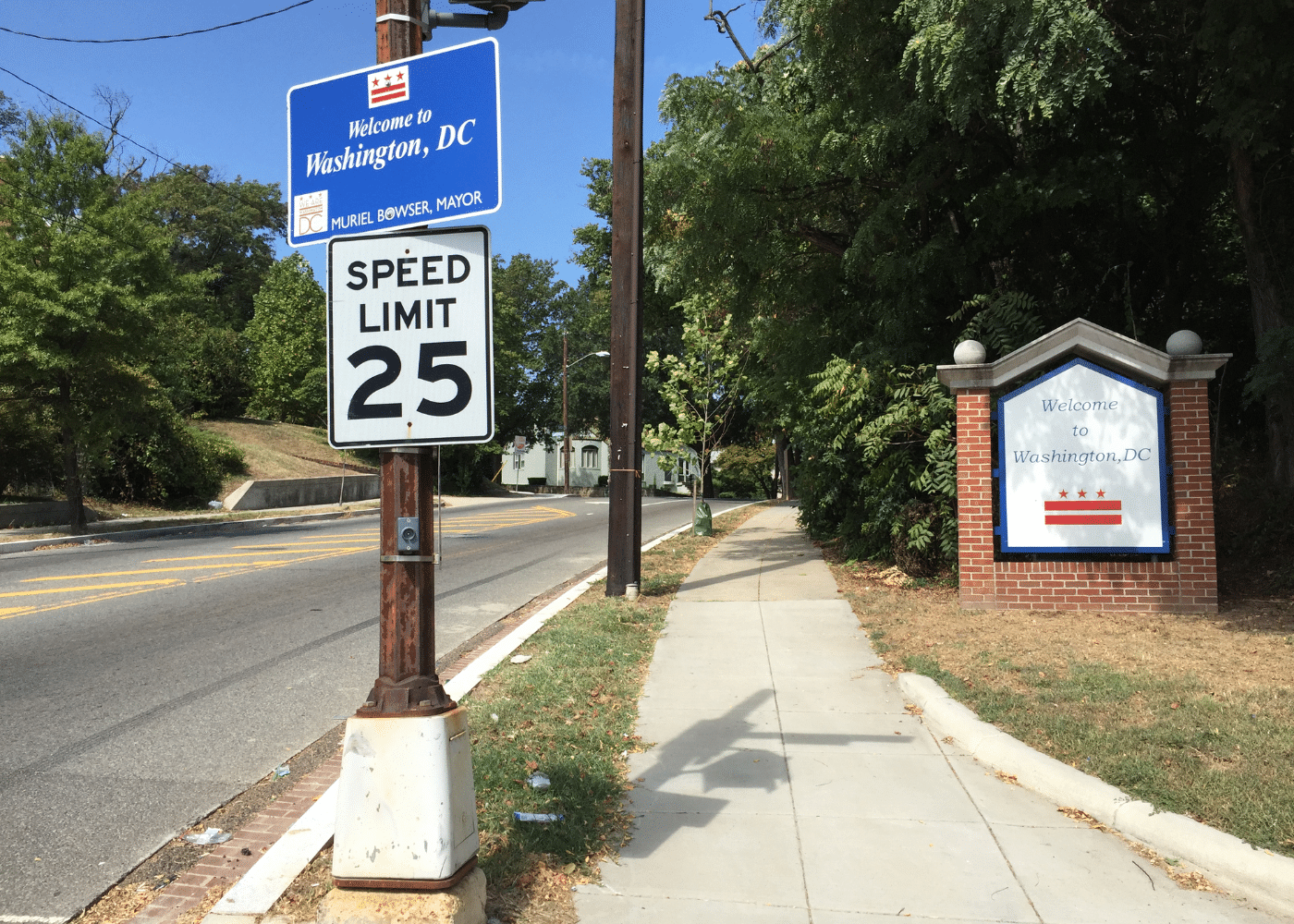
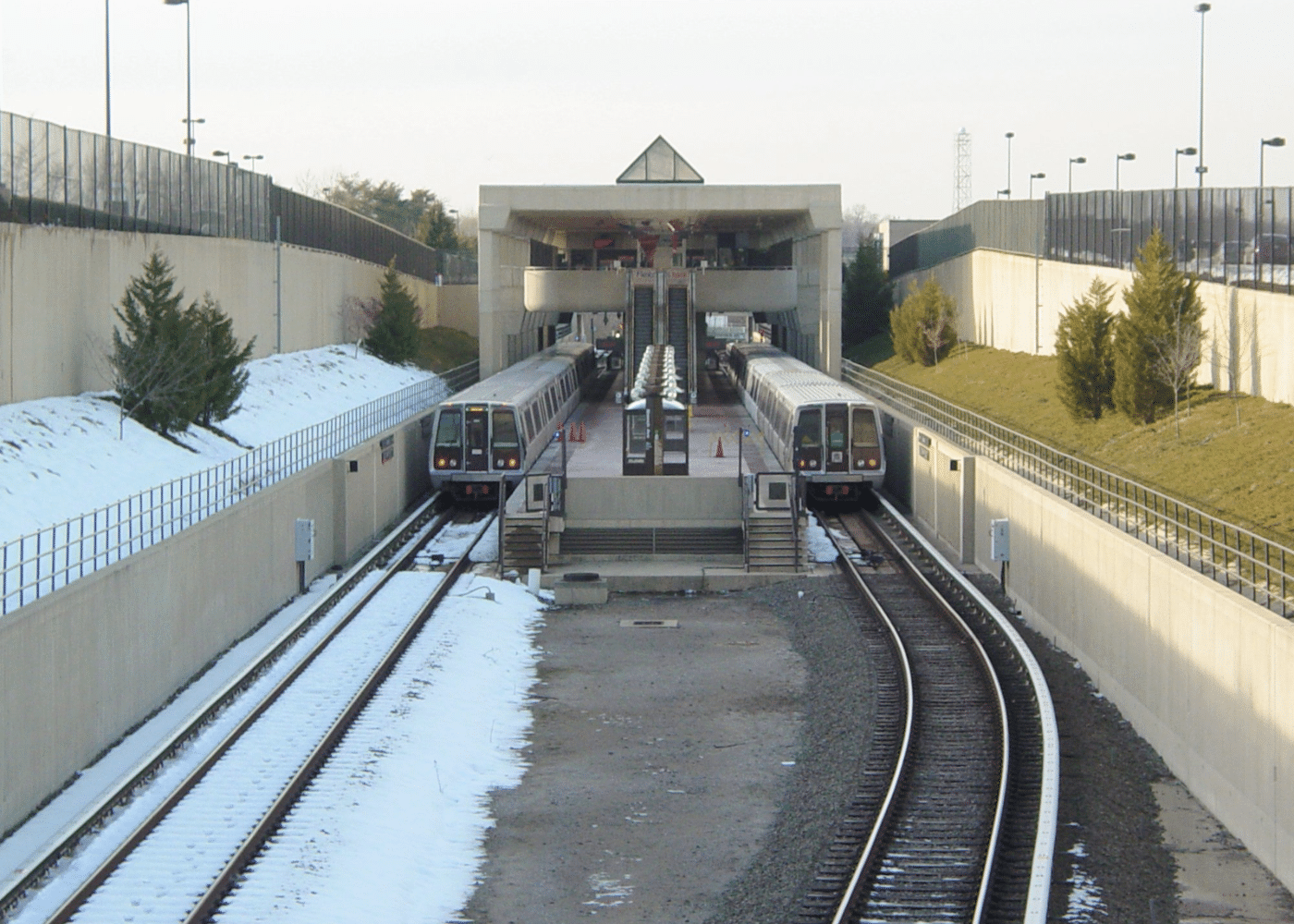
Branch Avenue SE is a major route in Southeast D.C., extending from the Anacostia River area south into Prince George’s County, Maryland. Unlike many of the city’s grand diagonal avenues laid out in L’Enfant’s plan, Branch Avenue began as a local road serving rural communities outside the city’s original boundaries.
In the early 20th century, as neighborhoods east of the Anacostia developed, Branch Avenue became a key connector linking these residential areas to downtown. Its southern extension into Maryland evolved into Maryland Route 5, a primary highway toward Waldorf and Southern Maryland. Today, Branch Avenue remains an important Southeast corridor, carrying heavy daily traffic while anchoring local businesses and providing a direct link between the District and Maryland suburbs.
New York Avenue
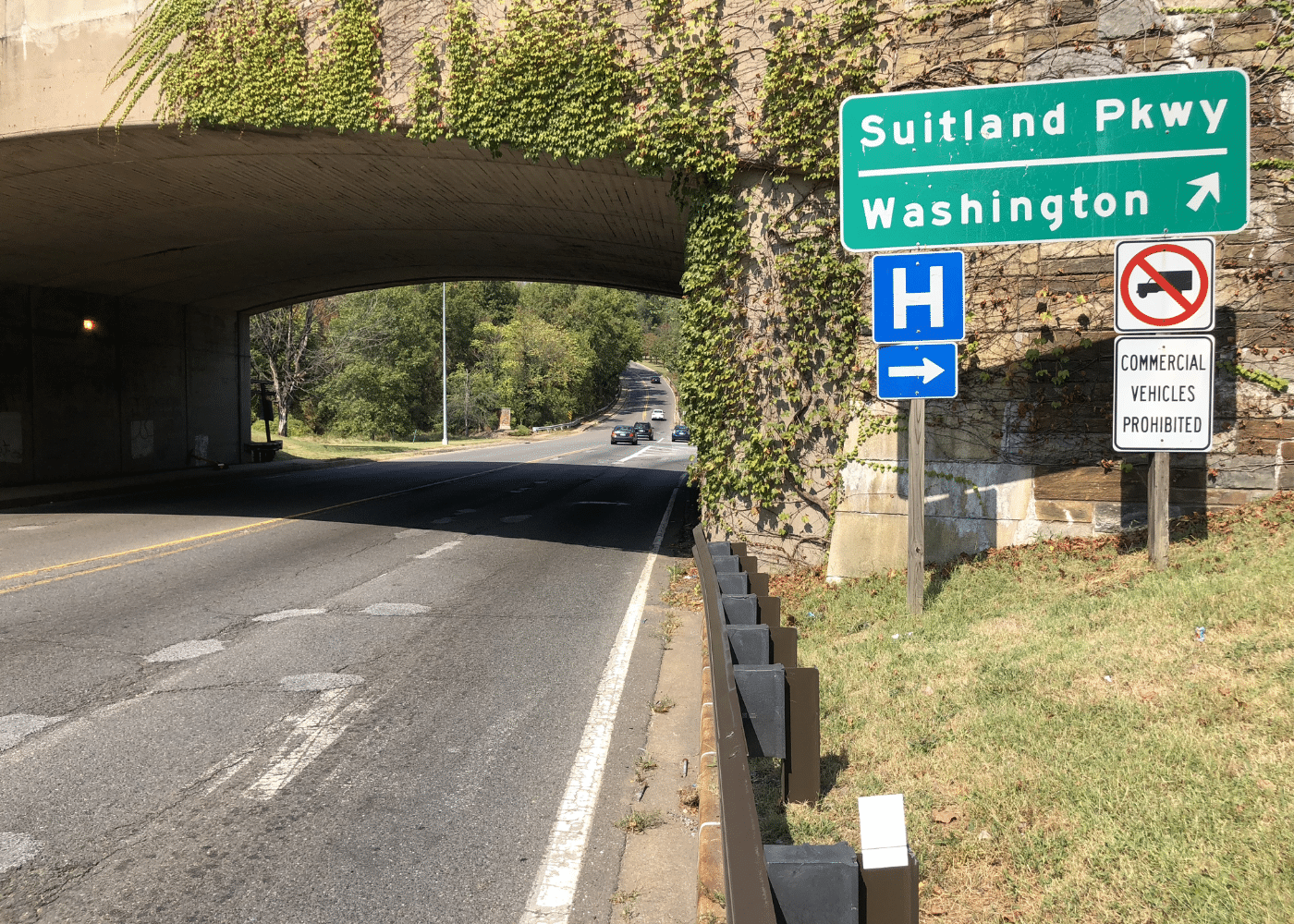
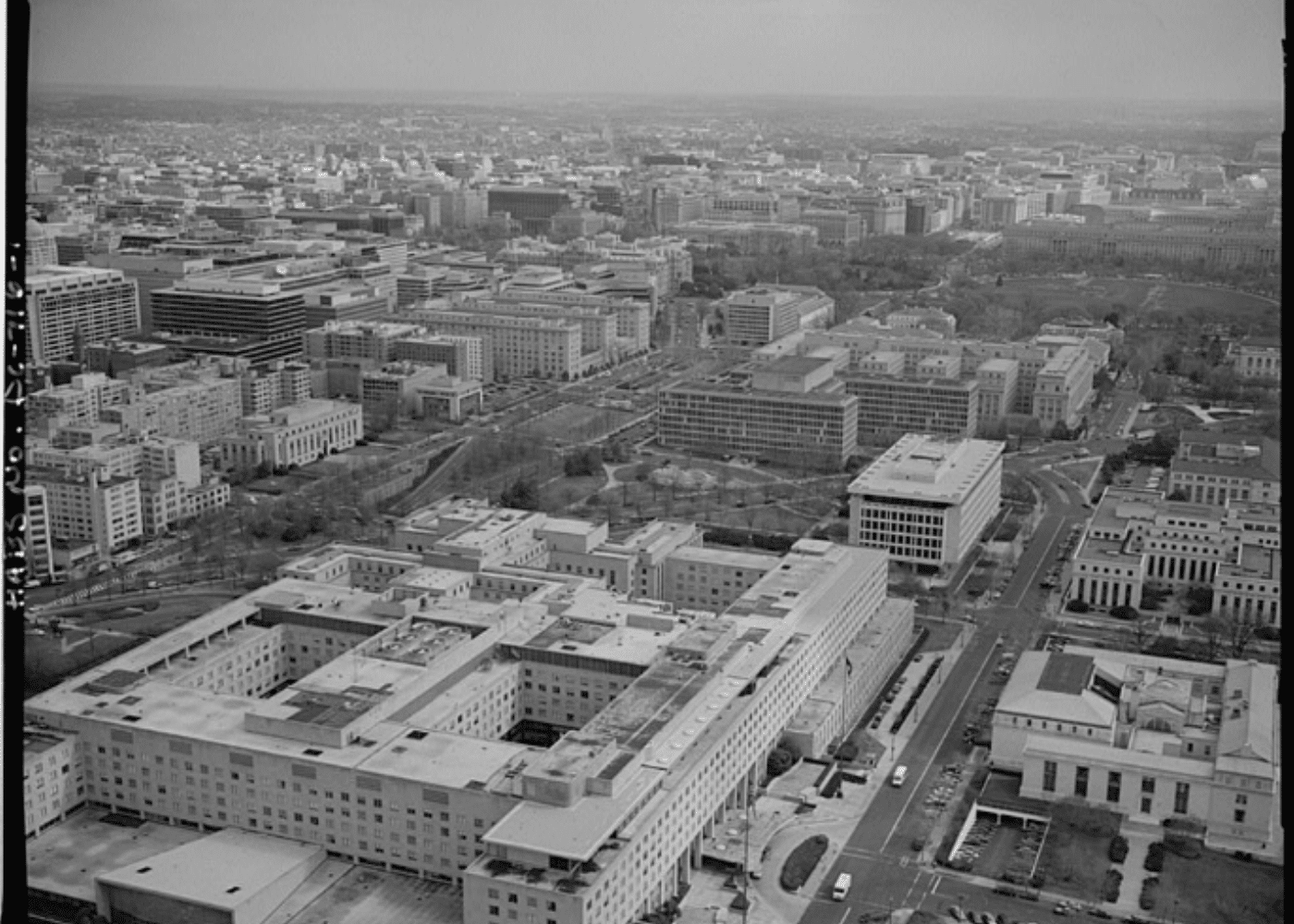
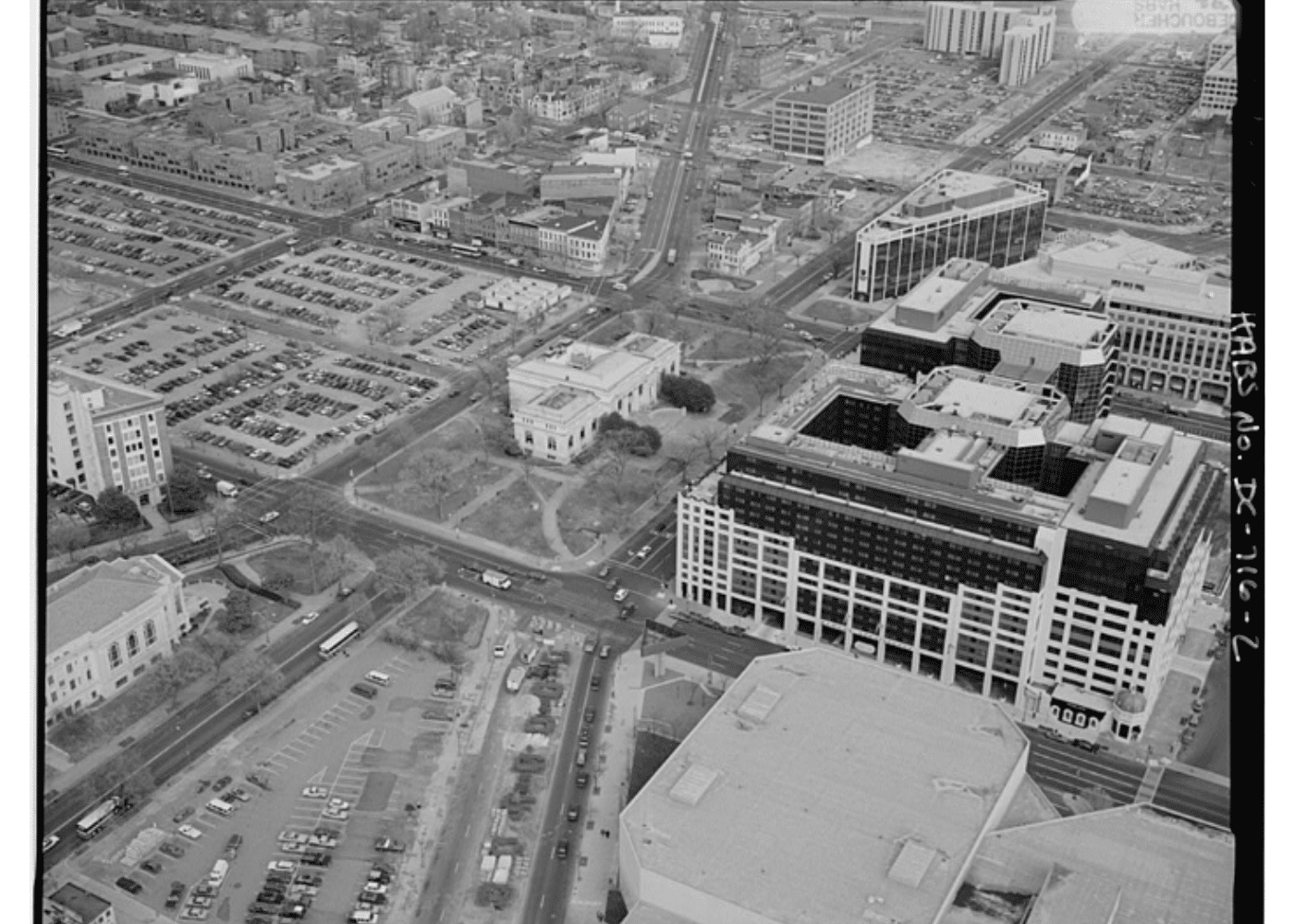
New York Avenue is a prominent diagonal in L’Enfant’s plan, radiating northeast from the White House toward Maryland. Originally intended as a grand boulevard, it evolved into a vital transportation corridor connecting the city center with the Baltimore–Washington Parkway and U.S. Route 50.
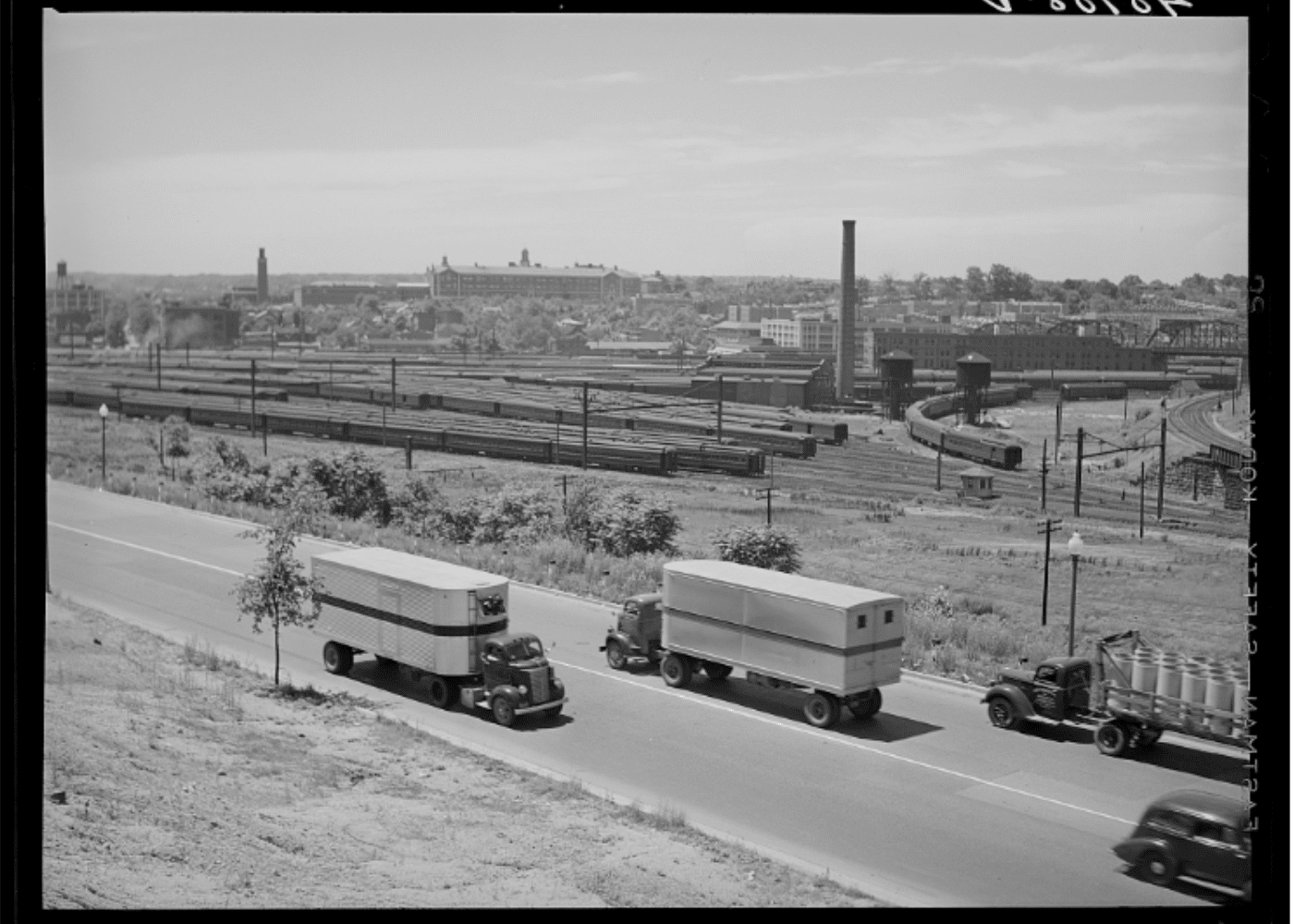
In the 19th century, the downtown stretch of New York Avenue was lined with fashionable residences, churches, and government buildings. However, as the city expanded eastward in the late 1800s and early 1900s, the avenue’s outer stretches became more industrial, supporting warehouses, rail spurs, and federal facilities.
By the mid-20th century, New York Avenue had transformed into one of the main truck routes in and out of D.C., carrying goods from the port of Baltimore and regional factories. This role earned it a reputation as a heavily trafficked, utilitarian corridor rather than a ceremonial avenue as L’Enfant imagined.
Pennsylvania Avenue
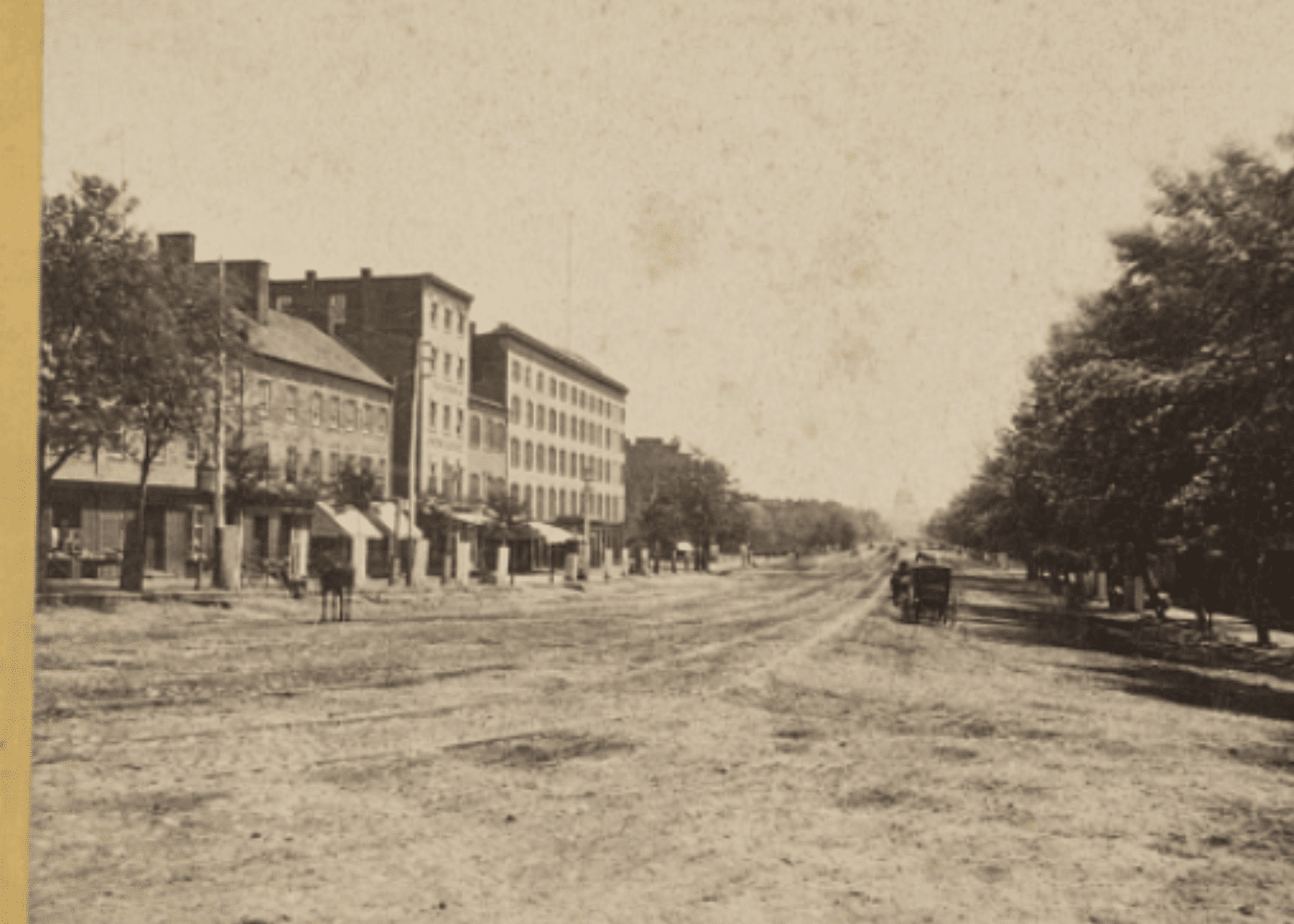
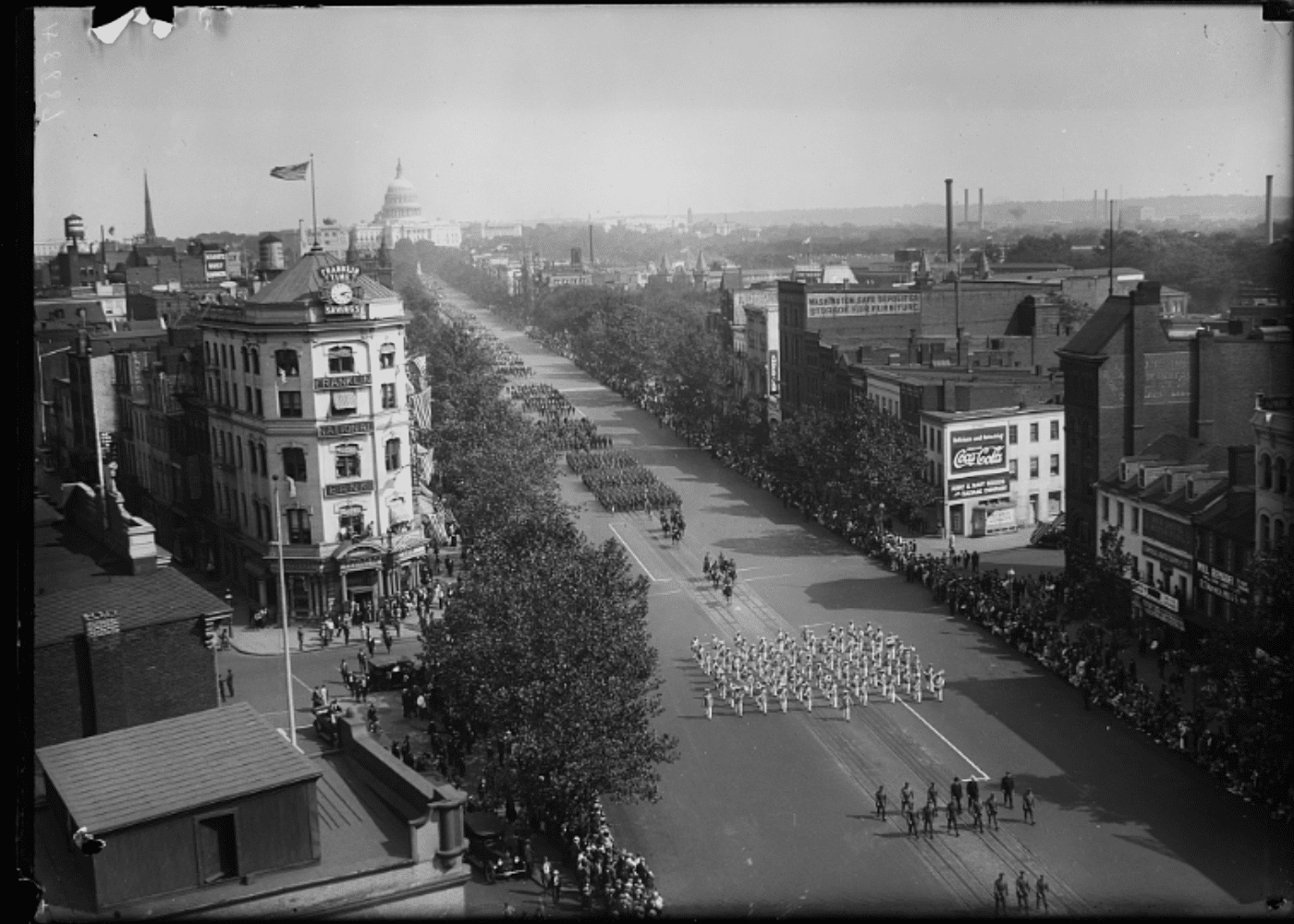
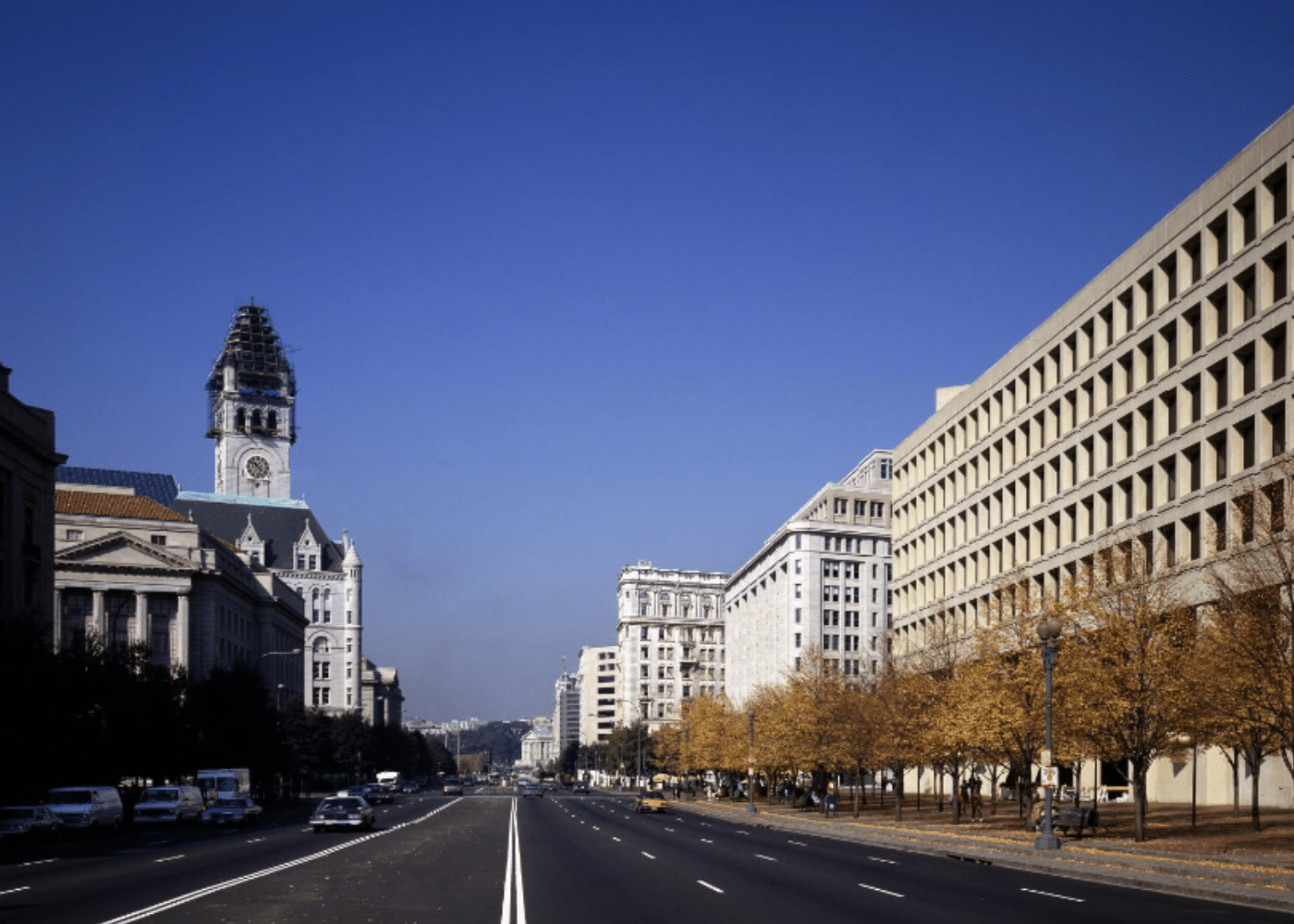
Pennsylvania Avenue is one of the most famous streets in the United States, conceived in L’Enfant’s plan as the ceremonial link between the U.S. Capitol and the White House. From its earliest days, it served both practical and symbolic roles, hosting parades, protests, and presidential inaugurations.
In the 19th century, Pennsylvania Avenue was lined with hotels, theaters, and government buildings, cementing its status as the city’s commercial and political heart. The construction of the Treasury Building, the Old Post Office, and the Willard Hotel along its route gave it an architectural gravitas matching its national importance.
Throughout its history, the avenue has been a stage for defining American moments, from Lincoln’s funeral procession in 1865 to the Civil Rights marches of the 1960s. Today, Pennsylvania Avenue remains the capital’s ceremonial spine, embodying both the political life of the nation and the daily life of D.C.
U Street
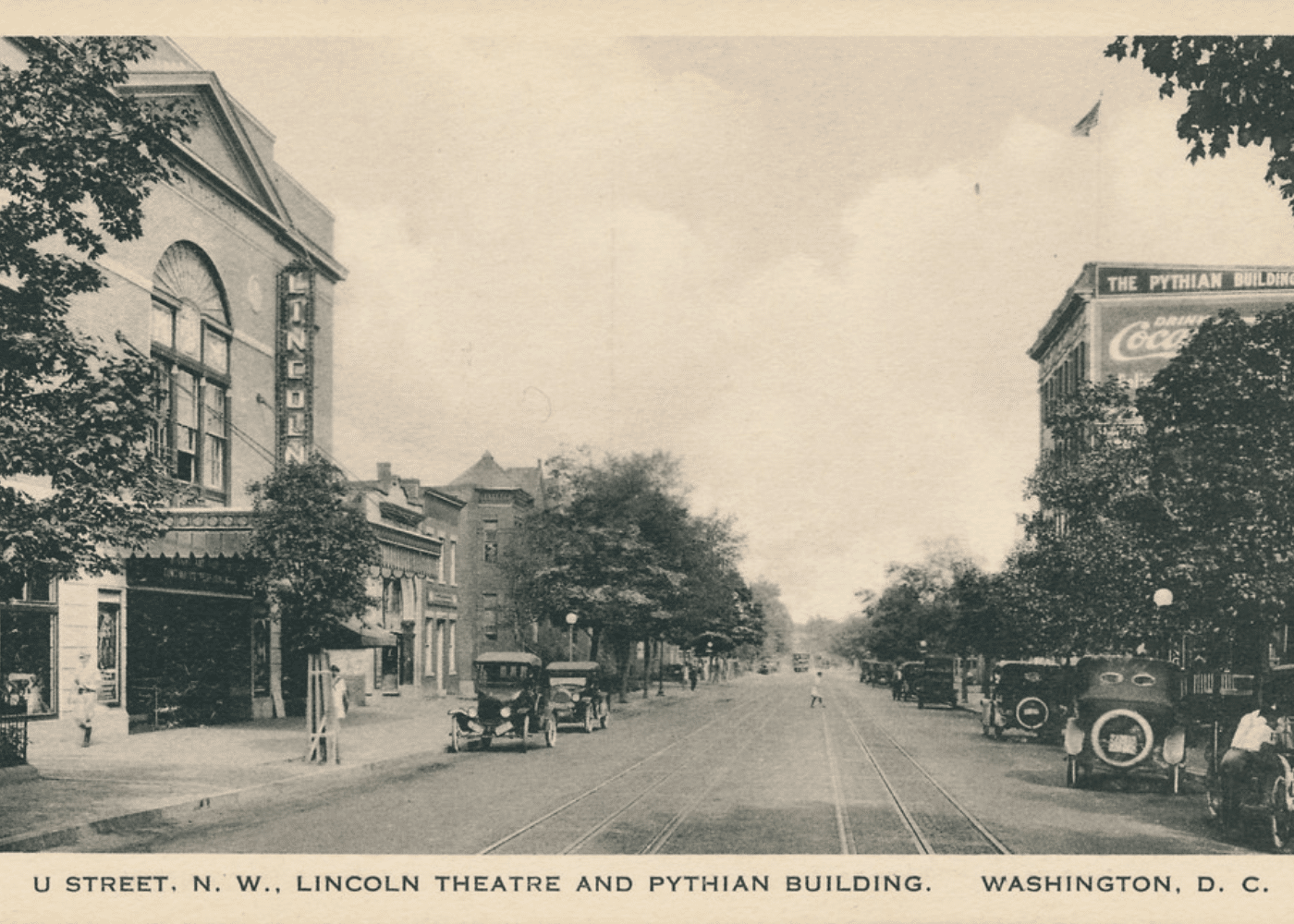
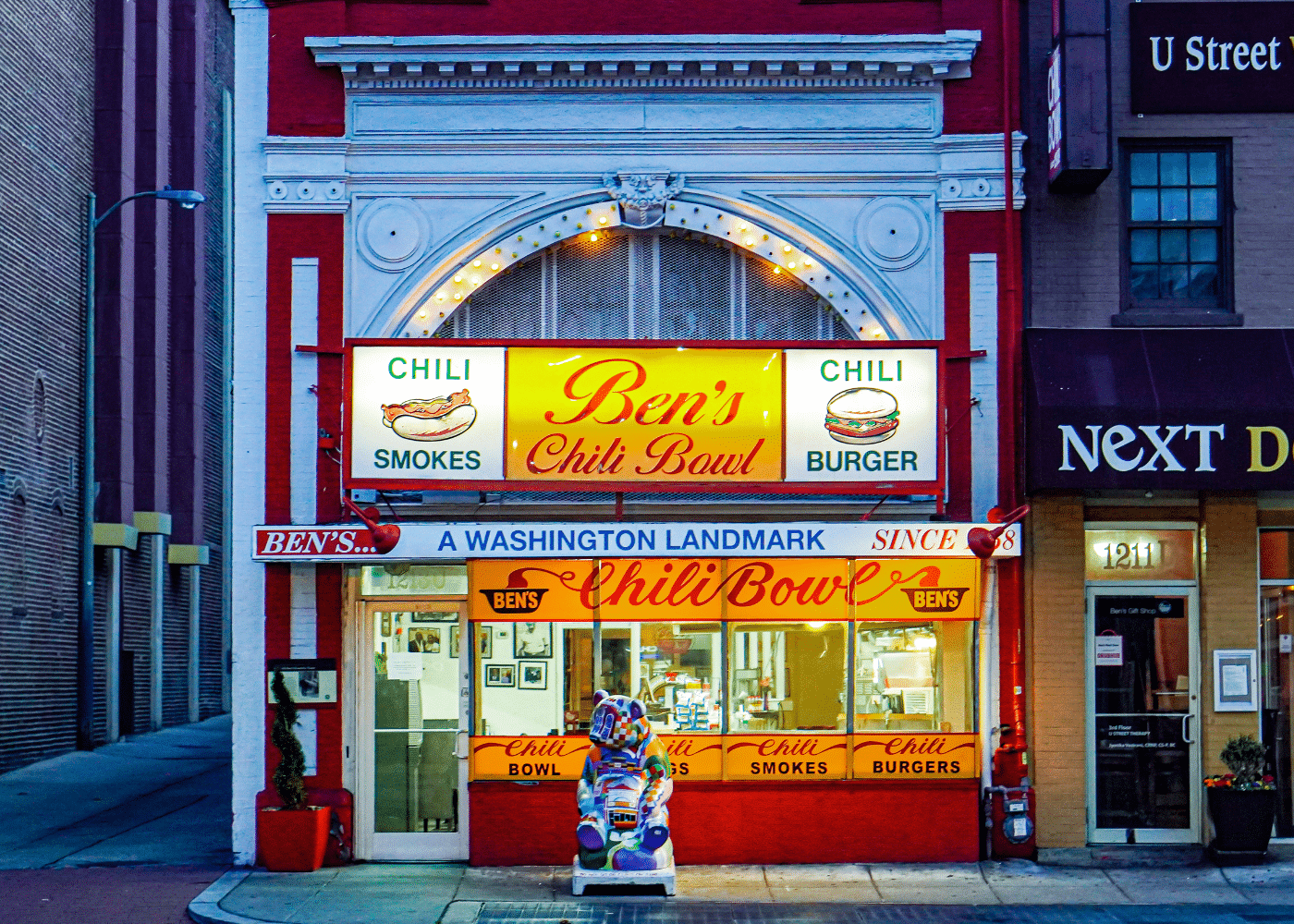
U Street in Northwest D.C. runs east–west just north of downtown, but its influence on the city’s cultural history far outweighs its length. In the late 19th and early 20th centuries, U Street became a center of Washington’s Black community, flourishing as a hub for entertainment, business, and activism.
Nicknamed “Black Broadway,” the corridor was home to theaters, nightclubs, and music halls that hosted legends such as Duke Ellington (a D.C. native), Ella Fitzgerald, and Cab Calloway. It also served as a hub for Civil Rights activity, with influential churches and Black-owned businesses that shaped the city’s social fabric.
Today, U Street remains a cultural district, blending its deep African American heritage with a diverse, modern identity, and continuing to serve as a stage for both artistic expression and civic engagement.

Designed for Our Museum Community
Our Street Signs collection takes inspiration from the iconic streets of Washington, D.C. Show your city pride with this Museum-exclusive collection, available only in our Shop.