![NBM Logo White 1200px 72dpi [RGB]](https://nbm.org/wp-content/uploads/2018/09/NBM_Logo_White_1200px_72dpi_RGB.png "NBM Logo White 1200px 72dpi [RGB]")
Adopt an Artifact: Daniel Feil Drafting Tools
September 30, 2025

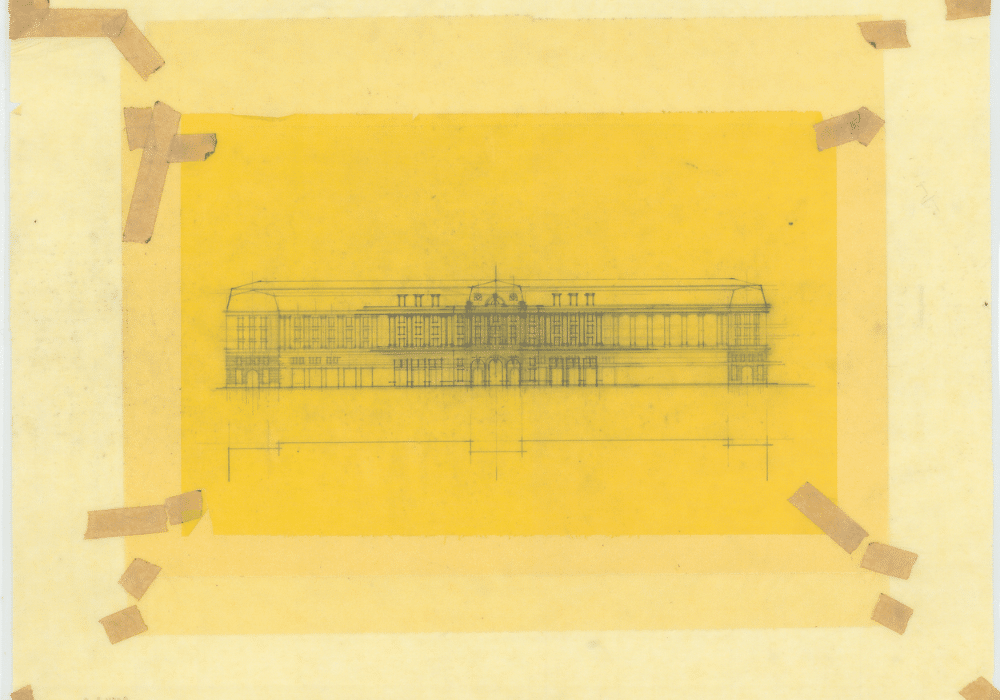
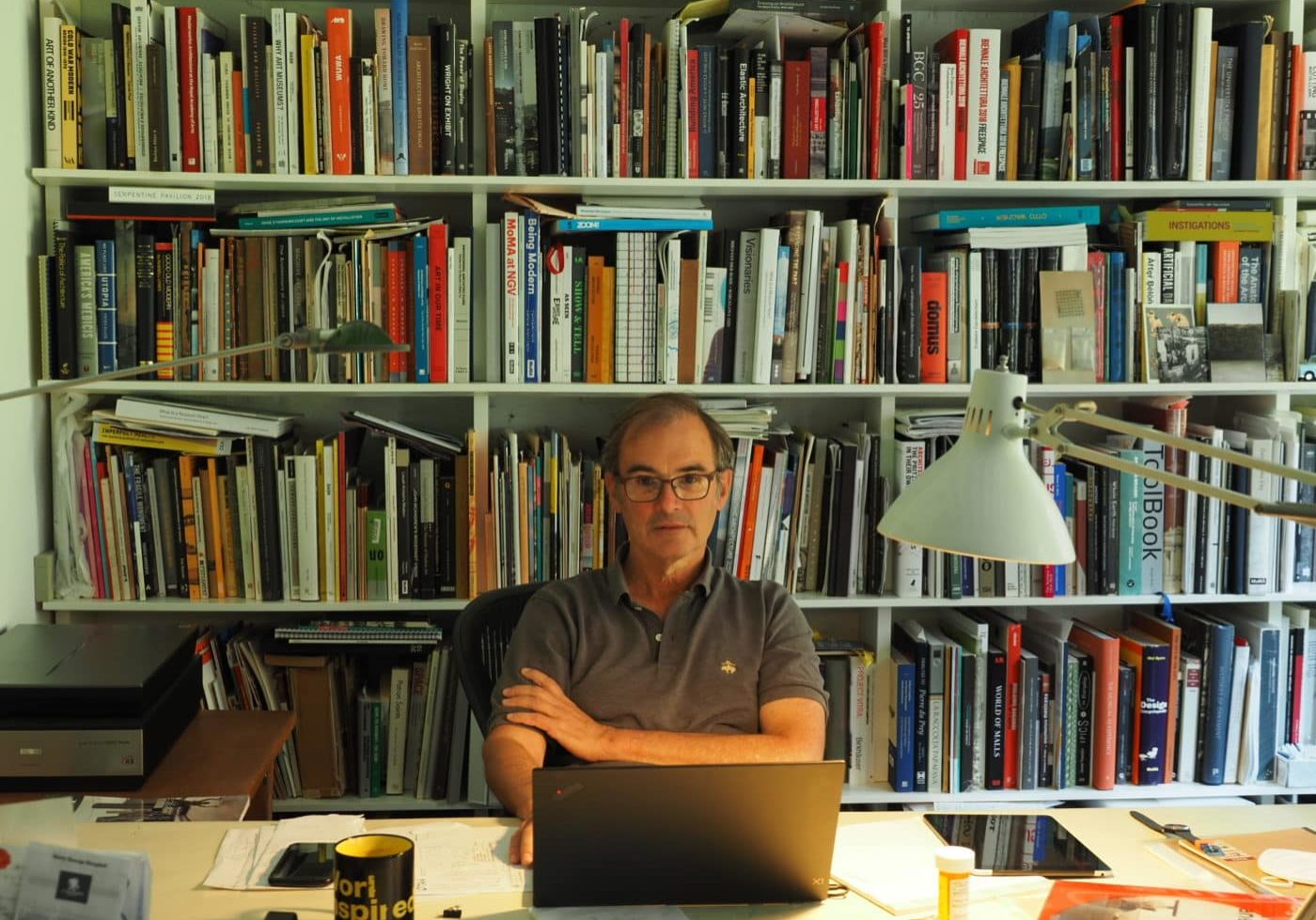
If you’ve flown through Ronald Reagan Washington National Airport or attended an event at The John F. Kennedy Center for the Performing Arts, you’ve experienced the work of renowned architect Daniel J. Feil, known for his management of high-profile, complex, public projects in the Washington, DC area. With a portfolio spanning the breadth of the city’s contemporary history, his mark on DC cannot be overstated. In 2012, Feil left his personal collection of hand-drafting tools to the National Building Museum, representing the peak of a career specializing in hand drawing.
Feil began his architectural career as a planner for the U.S. Navy, where he developed master plans and site studies for facilities and infrastructure. He received his Bachelor of Science and Bachelor of Architecture degrees from the City College of New York and a master’s in urban affairs from Virginia Tech. He was elected to the American Institute of Architects (AIA) College of Fellows in 1997 in recognition of his significant achievements in public service. In 2012, he received the Thomas Jefferson Award for Public Architecture from AIA.
Aside from his role as architect, Feil was also an active campaigner in U.S. policy regarding the job classification standards of architects. Between 1986–1996, he organized a campaign that resulted in the U.S. Office of Personnel Management standards to allow architects to qualify for federal managerial positions.
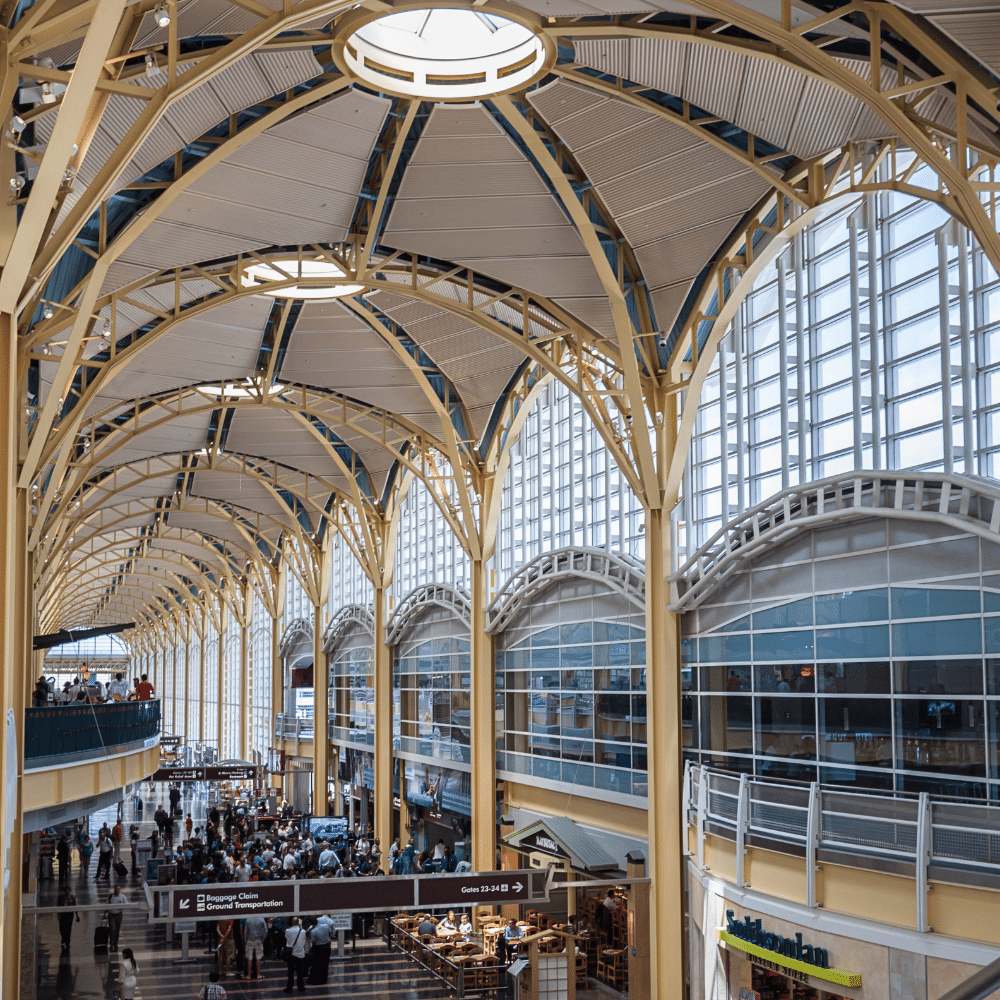
Feil is best known for his work as master architect at Ronald Reagan Washington National Airport (DCA), where he played a pivotal role in the construction of the Terminal 2 complex in 1997, which today forms the bulk of the airport complex. This $750 million capital program involved internationally renowned architects Cesar Pelli, Bill Pedersen, and Shalom Baranes. It incorporated 49 new airplane gates as well as a 30-piece, $6 million public art program. Feil’s campus oversight was also critical to DCA’s integration with the DC public transportation network and represented the city’s first link between air transit and regional metro lines. In 2023, the Ronald Reagan Washington National Airport Metro line transported over 1,750,000 passengers, highlighting the crucial connectivity of Feil’s work.
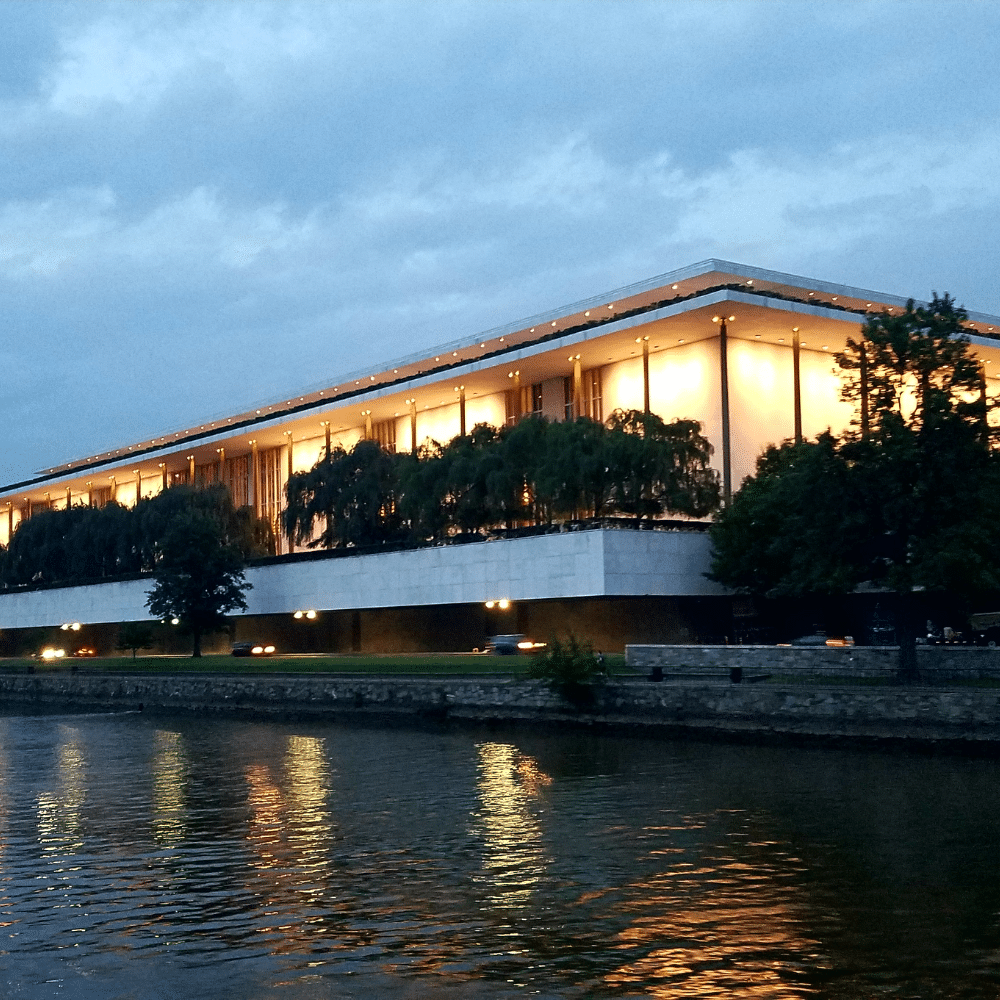
In 2004, Feil managed the proposed design and construction of a major expansion of The John F. Kennedy Center for the Performing Arts. The 450,000 square foot design by Rafael Viñoly Architects expanded the Center’s education program, provided a new Performing Arts Museum, and greatly increased connectivity with the broader DC cultural landscape. A key focus of this plan was bridging pedestrian and bicycle circulation across the Potomac Freeway, bringing the Kennedy Center in closer dialogue with the National Mall and linking a clear path from the Capitol to the waterfront.
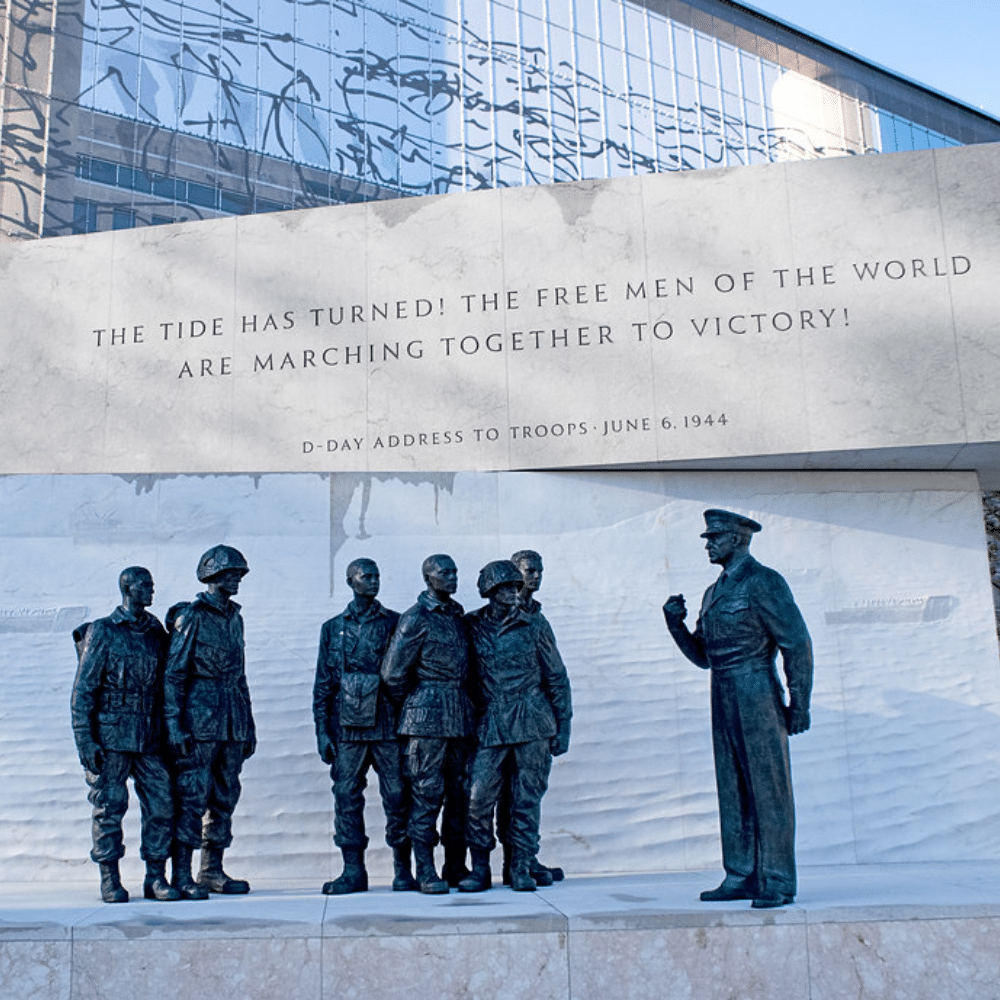
Feil’s most recent high-profile project was the Dwight D. Eisenhower memorial, completed in 2017. The project, in which Feil acted as executive architect, is Frank Gehry’s first major commission in DC, although its final implementation differs considerably from the original vision, which bore Gehry’s trademark experimentalism. Today, it represents a significant development of the LBJ promenade, linking the Department of Education to the National Mall and adjacent Smithsonian buildings.
Help us preserve this history!
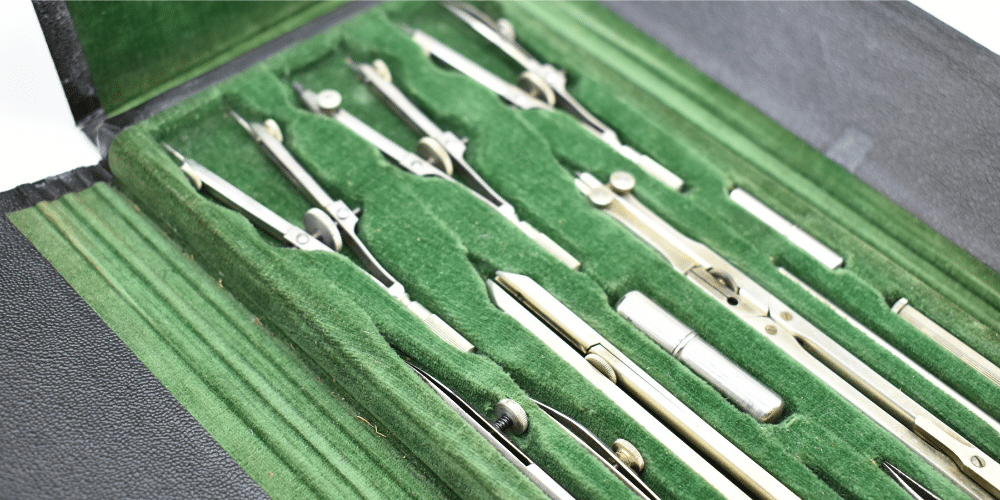
Daniel Feil’s drafting tool collection is significant not only for its role in constructing much of DC’s contemporary landscape, but also as a testament to architecture as practiced before the advent of computer-aided design (CAD). The drafting collection represents a long-time practice in the Museum’s archives of preserving not only architectural objects, but also the tools that have been historically essential in the building arts.
Through the Museum’s Adopt an Artifact program, you can play a direct role in safeguarding this collection, which includes templates, lettering guides, symbolic stencils, compasses, and copying aids. Your support helps conserve rare and delicate objects, ensuring they’re preserved for future exhibitions, research, and generations of curious builders.
Click here to Adopt an Artifact and help protect this legacy.
The National Building Museum is home to the nation’s foremost archive of American architectural and design heritage. The Adopt an Artifact program allows you to directly support the proper care and preservation of objects with critical conservation needs, helping the Museum continue its mission to inspire curiosity about the world we design and build. To support this initiative, click here.