![NBM Logo White 1200px 72dpi [RGB]](png/nbm_logo_white_1200px_72dpi_rgb.png "NBM Logo White 1200px 72dpi [RGB]")
Robert Lautman’s Photography Collection: Highlights & Discoveries
November 6, 2025
Background
Robert C. Lautman (1923-2009) was a renowned architectural photographer born in Montana. He discovered his passion for photography in high school while working on the yearbook staff. During World War II, he served as a combat photographer in the Pacific. After the war, he opened a photography studio in Washington, D.C. around 1948. To preserve his life’s work, Lautman donated his entire photography collection to the National Building Museum. The collection contains about 50,000 items, including prints, black-and-white and color transparencies, negatives, slides, and printed materials such as correspondence, magazines, and books featuring his work.
In summer 2025, collection management intern Jasmine Do inventoried a portion of Lautman’s life’s work, from prints as early as 1949 to as late as 2006. Exploring half a century of items provided many opportunities to understand Lautman’s visual perspective and, in some cases, his interests beyond architecture.
Understanding the Items in the Collection
Following Lautman’s lead, the Museum used projects to categorize his work. Each project reveals a special part of Lautman’s technique. Some strongly represent his film process (pre-print), while others provided a keen sense of his final print selections (post-print). Other projects contain items that show his full artistic process.
The pre-print stage involves developing the film, such as negatives, transparencies, and color slides, to reveal and stabilize the photographic image. When a negative is developed, light areas in the original scene appear dark, and dark areas appear light. In contrast, transparencies and color slides allow light to pass through, directly displaying the colors and tones as they appear in reality. In Lautman’s collection, the primary difference between transparencies and color slides is size, as most color slides are mounted in 2×2-inch frames, while transparencies vary in format and dimension.
After developing the film, photographers carefully dry the film in a dust-free environment. The final step in the pre-print stage involves editing and selecting the films. Lightboxes are often used in the editing/selecting phase to evaluate the film’s quality.
The post-print stage consists of taking the selected film to either a photo lab, a darkroom to enlarge the film, or a film scanner to print. The photographer also chooses the material to print the image, whether it’s photo paper, metal, or even fabric. Other items in the collection include correspondence, magazines, and books. These are supplementary materials that helped explain why and when the project occurred.
Inventory Highlights
The Kintore Point Project (2006)
One standout project is Kintore Point, which provides an extensive portfolio of Lautman’s visual perspective. This project features around 100 items (transparencies, negatives, and photo prints) showing both pre- and post-processing stages.
The architect for Kintore Point, a contemporary waterfront estate, was Alfredo De Vido, known for his residential projects on the East Coast. De Vido collaborated with his friend and client Charles Thornton, a structural engineer famous for designing some of the world’s tallest buildings. From the photos, one can sense their close collaboration and unified vision from the built-in furniture, window treatments, and textural balance throughout the hallway and living room.
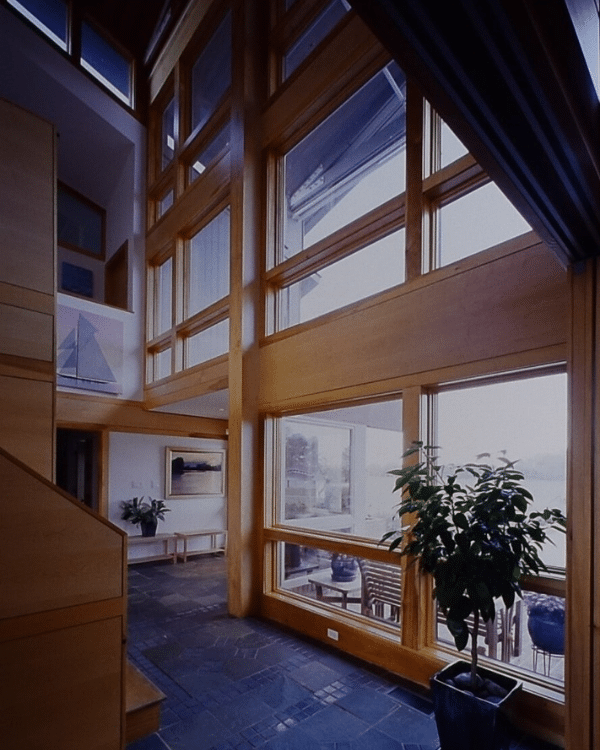
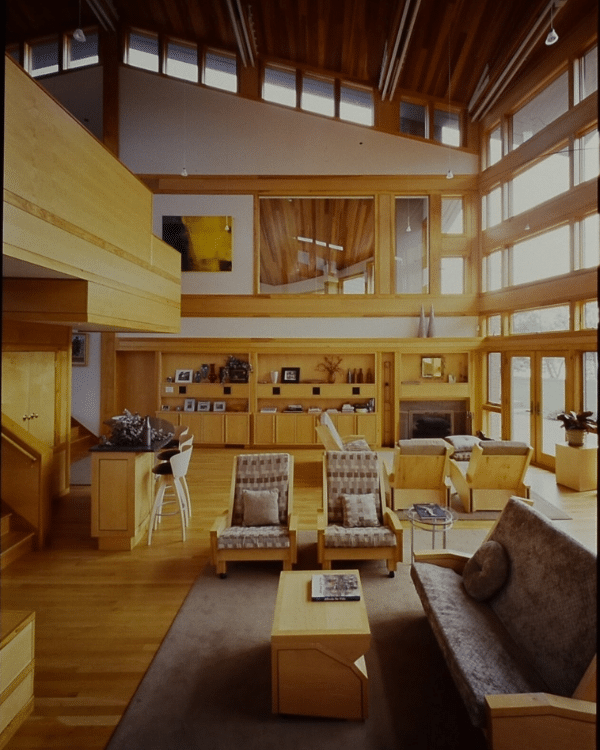
Lautman captured the solid maple details beautifully, a key feature of the design. The color transparencies show a deep understanding of color theory, while the color negatives highlight Lautman’s skill in using natural light to emphasize structural details and design precision.
The Pink House Project (1979)
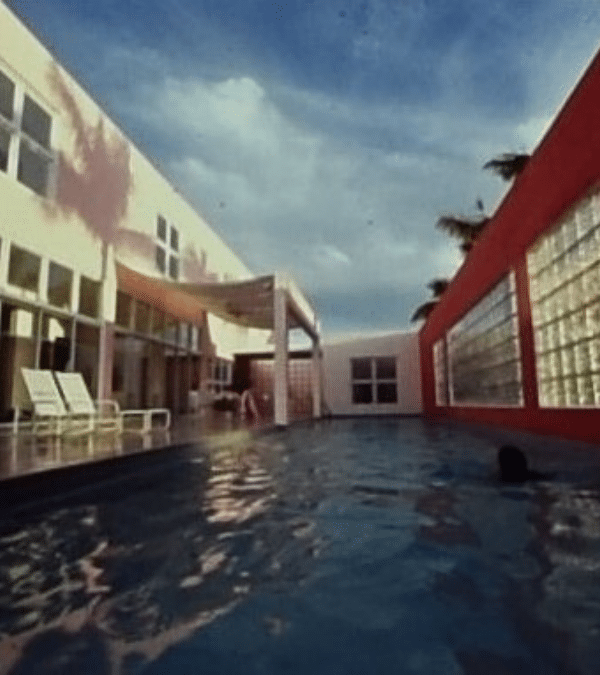
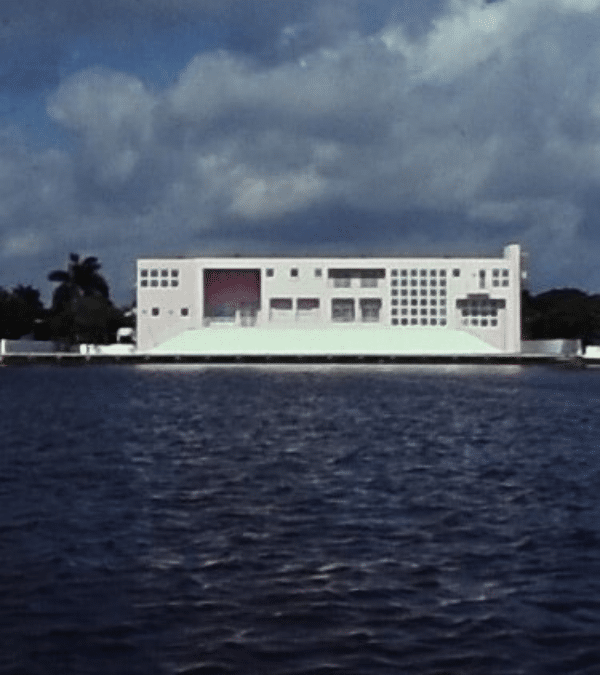
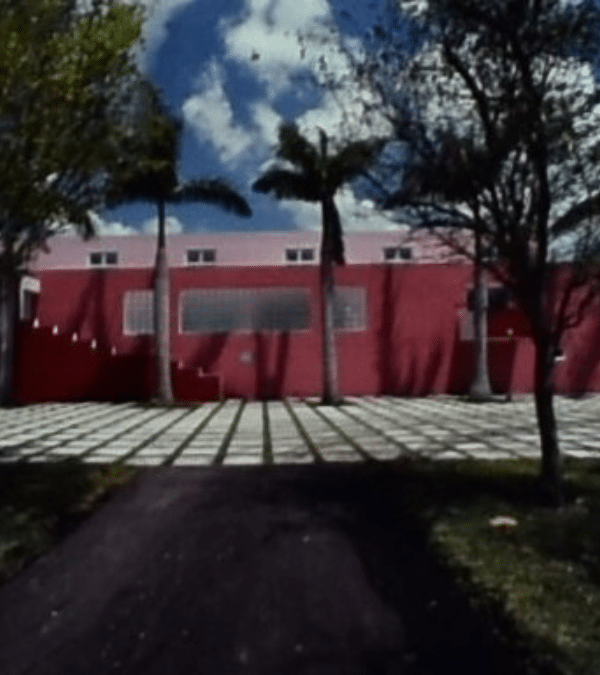
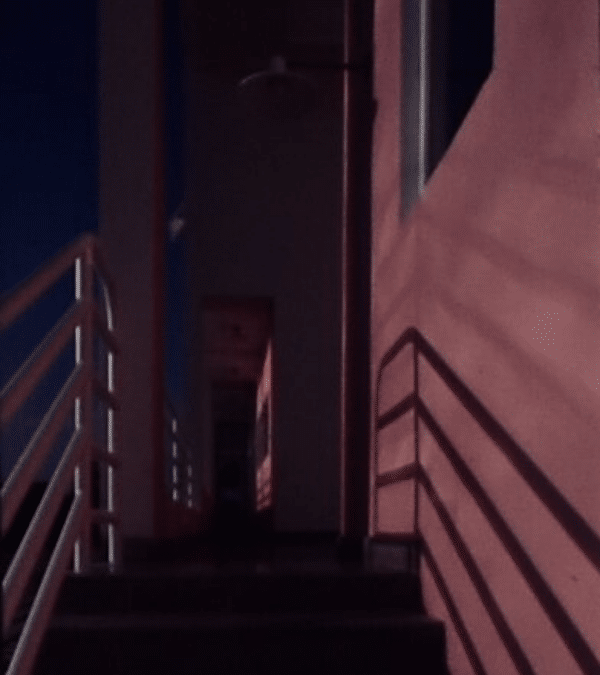
Another highlight is the Pink House Project, built by Arquitectonica in the late 1970s. This project file contained approximately 160 items, primarily color slides. These slides offer insight into Lautman’s approach to color and his technique for capturing striking exteriors.
The Pink House was conceived as a study of different planes, expressed through varying shades of pink, from deep near-red to pale pink. Here, color was the star, and Lautman’s commitment to capturing it is clear in the number and quality of slides produced.
Projects Outside of Architecture
Though Lautman is best known for his architectural photography, he pursued many projects outside of architecture. He documented nature, music, and portraiture, revealing interests that extend beyond buildings. Some projects are still being identified, while others, especially the portraits, offer a clear sense of his curiosity and personal connections.
Nature Photography Projects
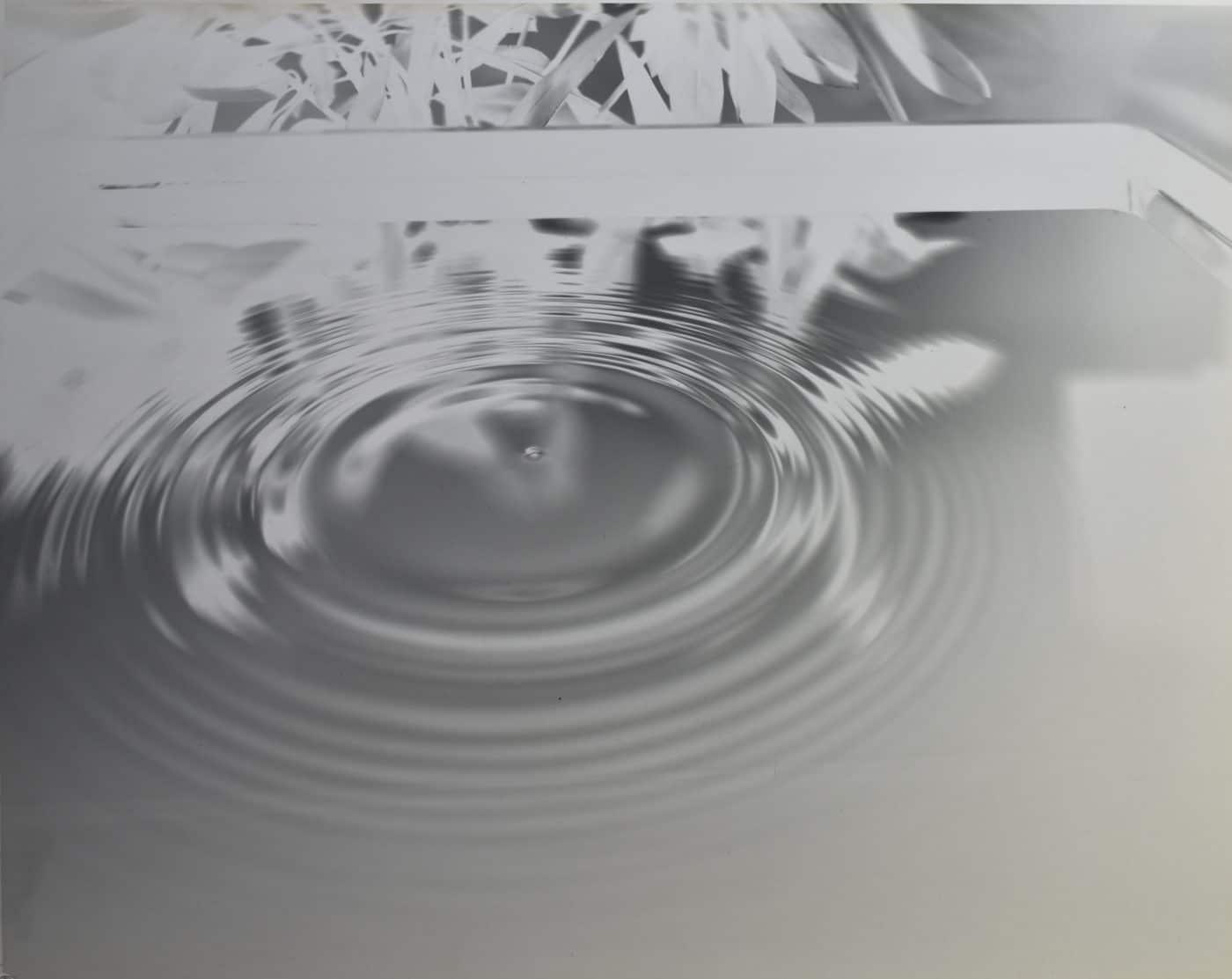
The project labeled “Ripples” contains only four black-and-white negatives. The images share similar angles, but each frame captures a unique water ripple. The series evokes a sense of scientific study and led to research into possible connections with hydrology or fluid dynamics programs. The file included the acronym “CIEG,” which might refer to a civil engineering program. Think you recognize these images from a textbook or publication? If so, please reach out to the Museum’s collections team at research@nbm.org.
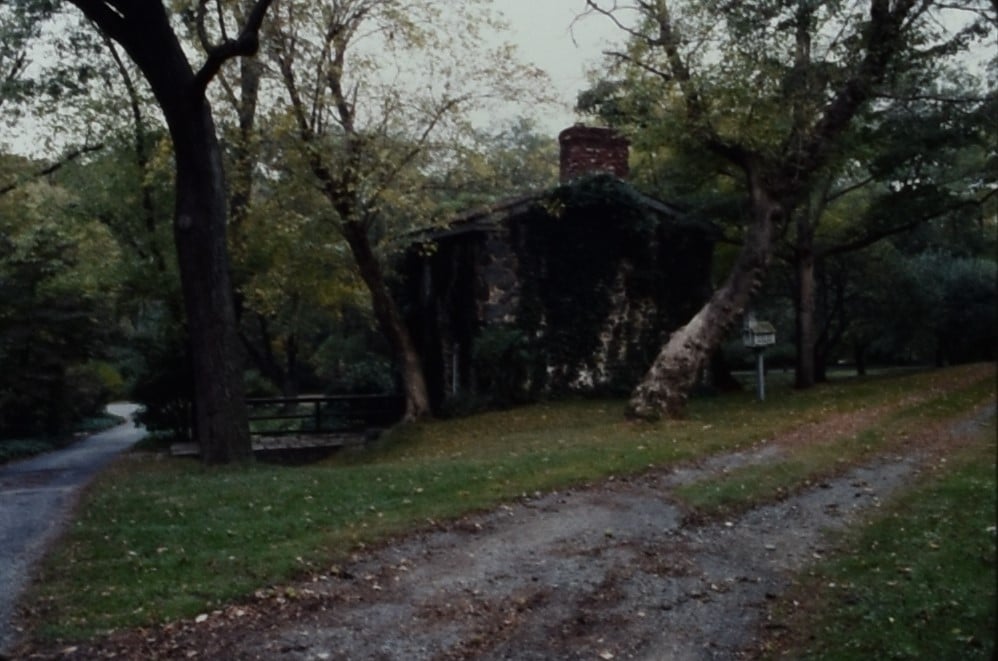
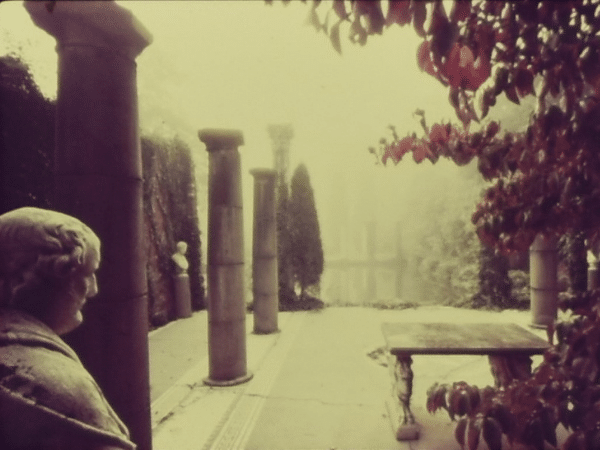
Another project, “Ruined Gardens,” initially seemed like the work of another photographer, but it was indeed Lautman’s. This file held 32 items, mostly slides. The images feel playful yet thoughtful, showcasing Lautman’s eye for capturing essence beyond architecture, a delightful and unexpected discovery.
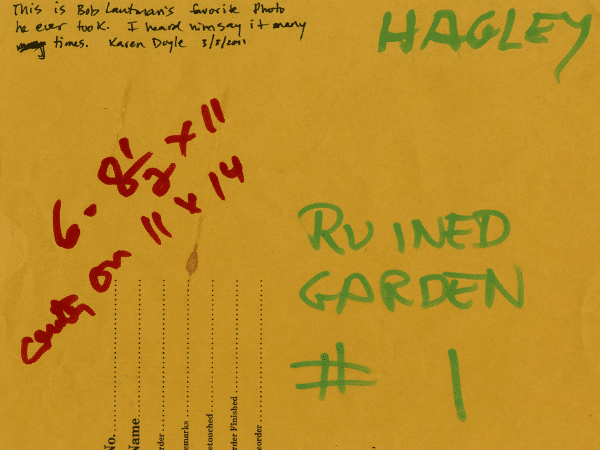
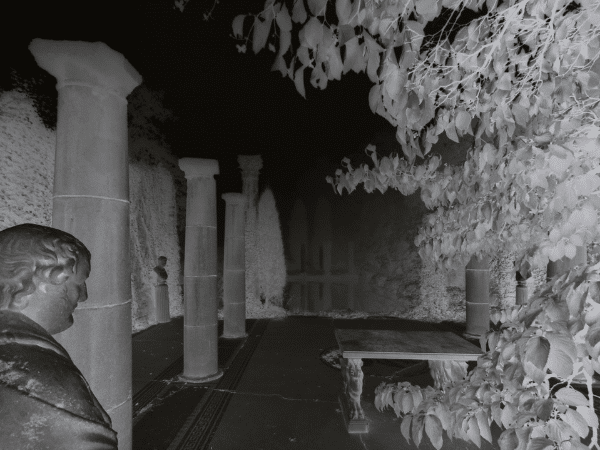
An envelope was found among the “Ruined Gardens” items with a note written in black ink. It reads, “This is Bob Lautman’s favorite photo he ever took. I heard him say it many times.” The item within the envelope was a negative seen below. At a glance, it appears like someone is sitting in the bottom left corner, but the figure is actually a statue. It is surprisingly refreshing how life-like this sculptural garden appears from Lautman’s perspective.
Portraits & Music Projects
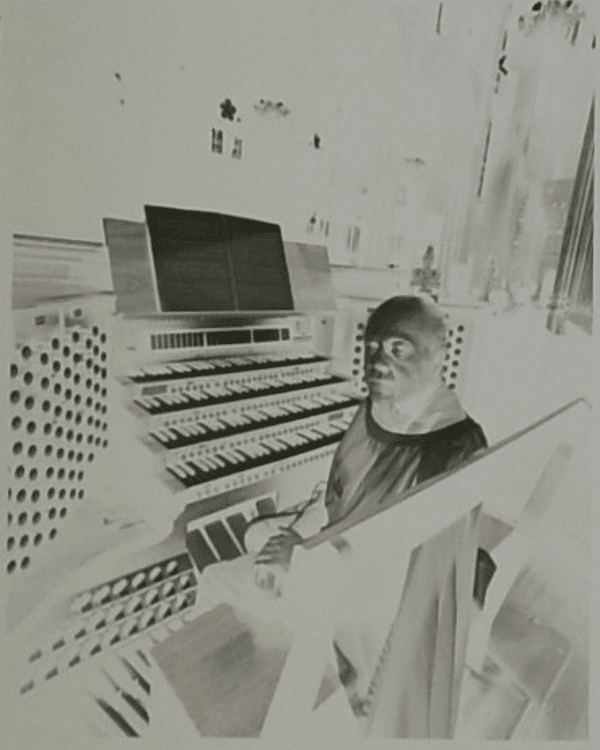
Lautman photographed two well-known musicians who performed at the Washington National Cathedral. One was Paul Callaway, the prominent organist who served at the Cathedral for 38 years from 1939 to 1977. Lautman’s portrait captures Callaway at ease and in his element at the organ.
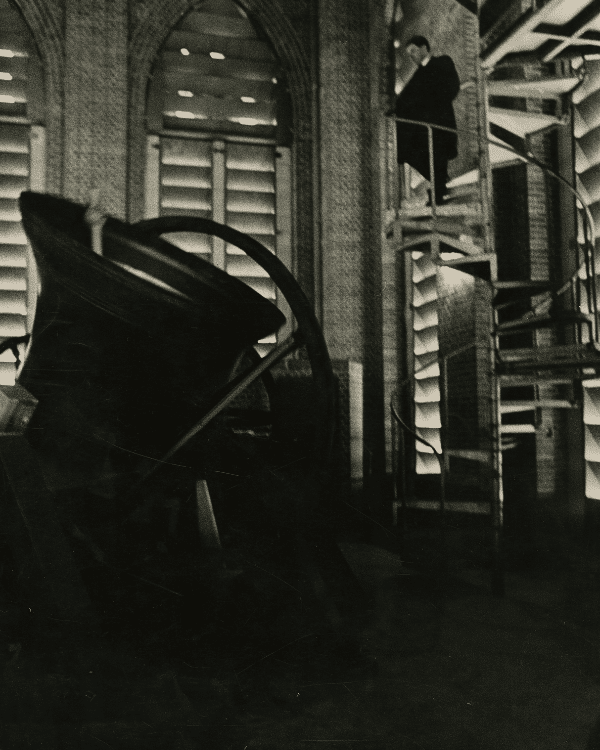
The other was Robert Barnes, an American carillonist. A carillonist is a musician who plays a carillon, an instrument consisting of 23 bells played from a keyboard. Barnes performed at the Cathedral between 1963 and 1975. The collection holds a single black-and-white print of Barnes, another relaxed, natural moment beautifully captured.
Final Reflections
Lautman was an exceptionally talented photographer, and even this small portion of his work reveals his keen eye and deep understanding of design. His process and subject choices demonstrate a thoughtful inquisitiveness, whether he was photographing portraits, nature, or architecture. This curiosity is vital to understanding Lautman, enriching the cataloging process and enhancing future interpretation and research far beyond the collection itself.
This post was written by Jasmine Do, Collections Intern during Summer 2025. To learn more about internship opportunities at the Museum, click here.