![NBM Logo White 1200px 72dpi [RGB]](png/nbm_logo_white_1200px_72dpi_rgb.png "NBM Logo White 1200px 72dpi [RGB]")
New Acquisitions: 2024, Part 2
September 15, 2025

As part of its mission to inspire curiosity about the world we design and build, the National Building Museum actively collects objects, photographs, and paper materials that document the building process. This wide-ranging scope includes pieces of buildings, architectural toys, construction tools, technical and architectural drawings, building photographs and negatives, and souvenir buildings, among many others. In the second half of 2024, the Museum accepted into its permanent collection the following pieces:
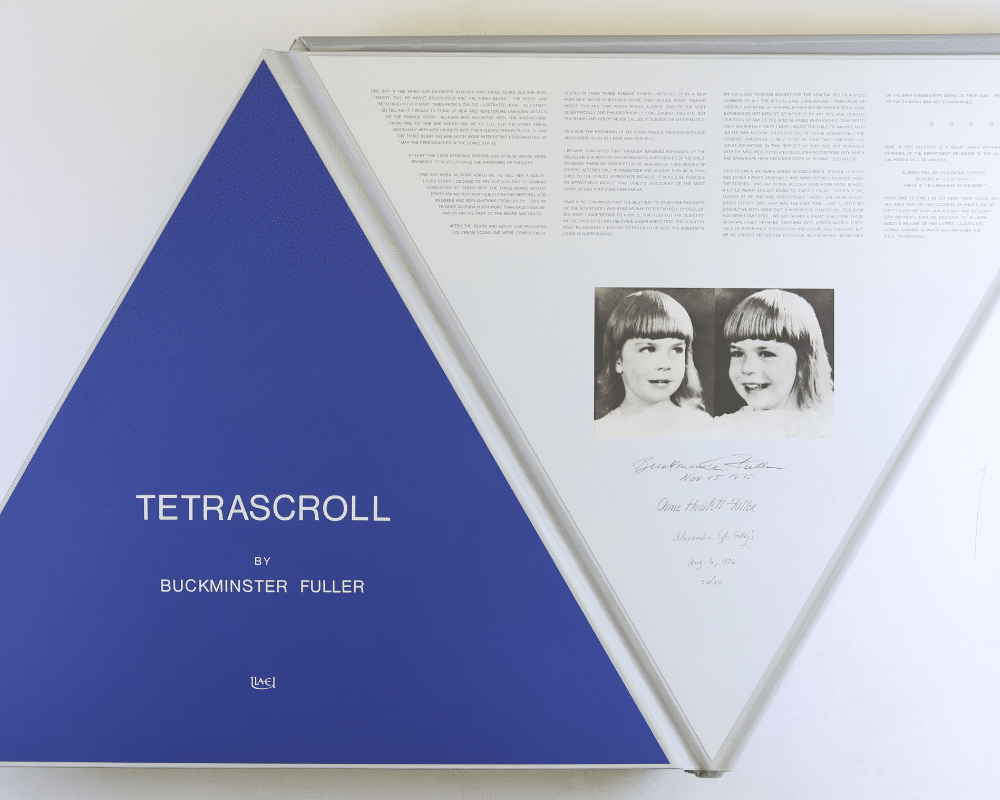
Buckminster Fuller, perhaps best known for his geodesic dome design, began designing Tetrascroll as a bedtime story for his young daughter. This copy of the book, of which there are a limited number, was sent to the Exhibitions Department of the Museum by Bill Goldston of Universal Limited Art Editions (ULAE). ULAE published the 21-lithograph, 43ft long illustrated book between 1975-1977. The book is unique for several reasons, including the triangular shape and the way it can be arranged for reading; only 34 full-size tetrascrolls were created/published. While the book was initially given as an in-kind donation to the Exhibitions Department, it was determined that it was historically significant enough to warrant placement in the permanent collection at the Museum in 2024.
Donor: Exhibitions Department
Image: Tetrascroll book by R. Buckminster Fuller, 2024.11.1.
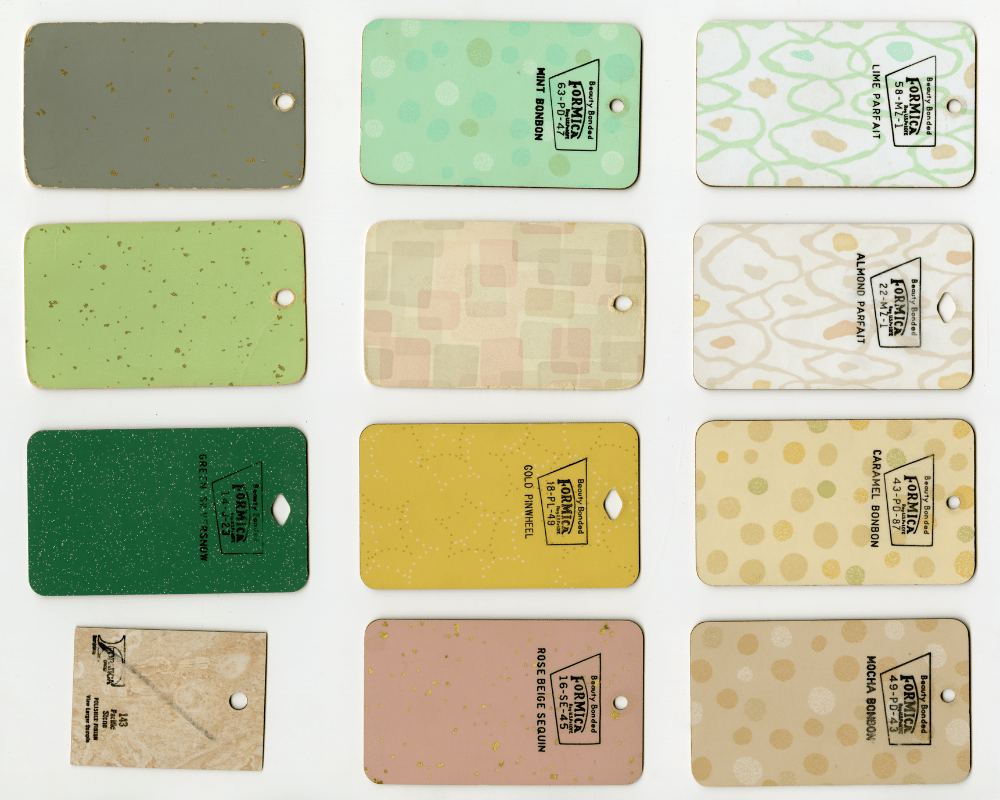
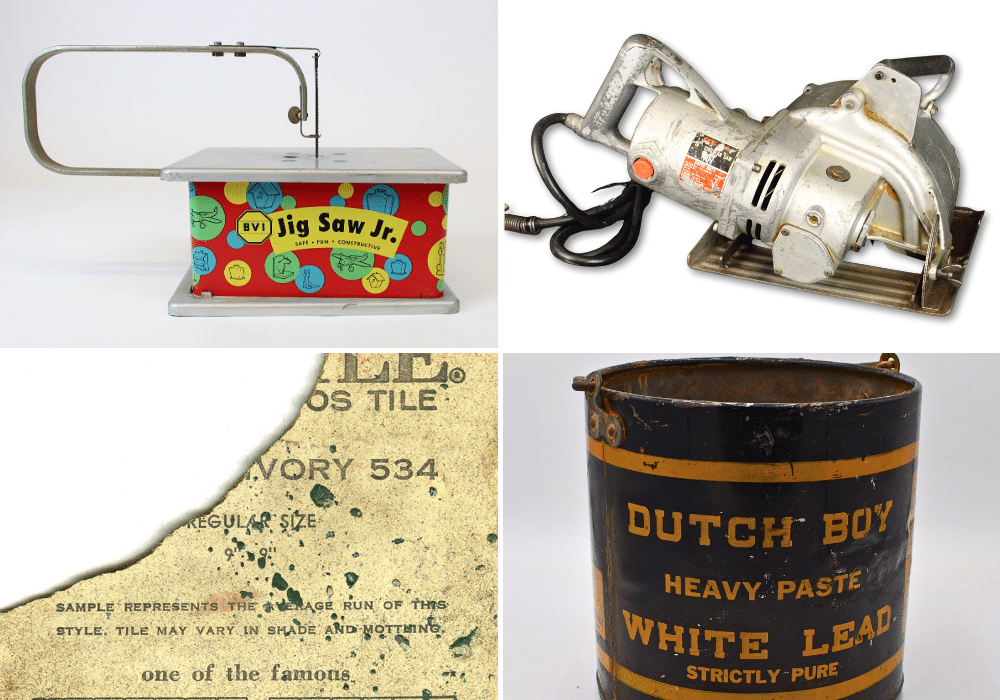
As a longtime user of Formica laminate custom countertops, Stuart Bollock and Bollock Enterprises, Inc donated several samples of Formica patterns to the Museum in 2024. These samples fill in gaps in the original Formica donation, providing context to the brand’s iconic pattern history and bringing the Museum’s collection closer to full comprehensiveness.
Donor: Stuart Bollock
Image: Formica sample patterns.
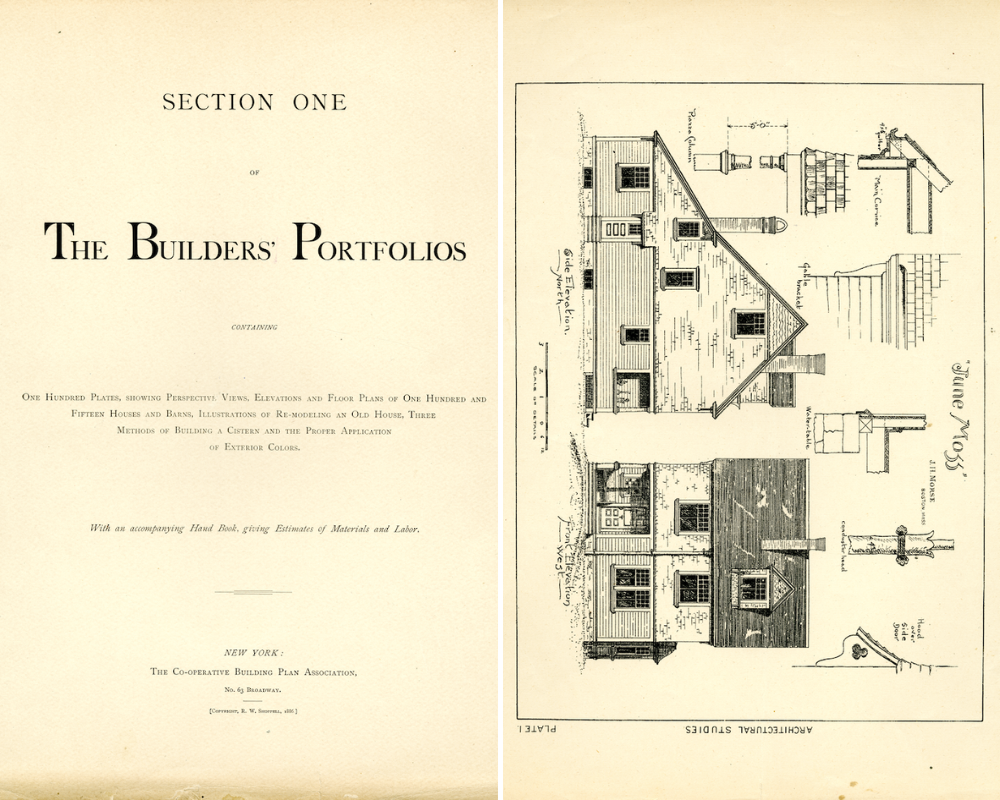
Published in 1886 by the Co-Operative Building Plan Association, The Builders’ Portfolio comprised of three volumes of architectural designs created for use by architects, builders, and real estate professionals. Thousands of homes were constructed using these plans, which were designed to provide enough detail on construction methods and pricing to help prevent financial loss. Each design includes floor plans, elevations, and exterior paint suggestions. In 2024, Melody Kris donated two of the three nearly complete portfolios, along with an accompanying price book, to the Museum’s permanent collection.
Donor: Melody Kris
Image: Pages from The Builders’ Portfolio, 2024.13.2.001 & 2024.13.2.002.
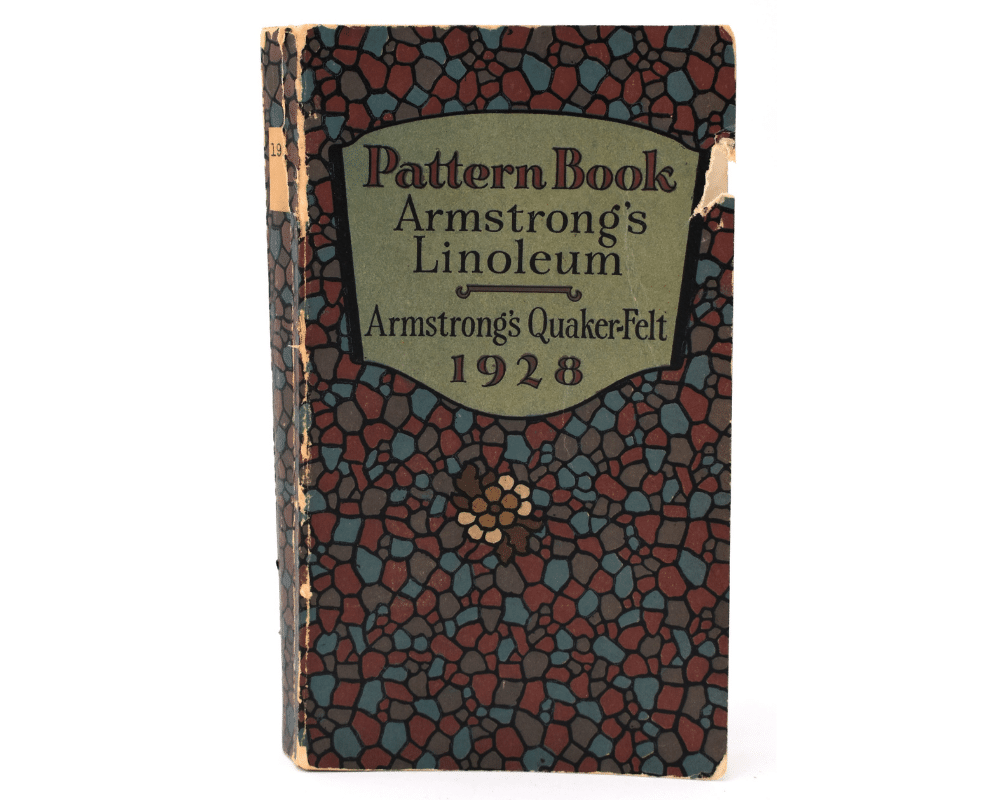
In 1899, Armstrong Flooring, which began as a cork production company, began recycling cork waste to create insulation boards and chips and selling leftover cork dust to other companies to create laminate. By 1907, the company decided to use that cork dust to make their own laminate. The business took off and famous patterns include Futueresq (used by Disneyland in House of Tomorrow) and Brick Pattern #5352 (also known as the Christmas Pattern). AHF Products, the parent company of Armstrong Flooring, donated several historic catalogues and material samples from its over 100-year history as a giant in the flooring landscape of America’s interior design.
Donor: AHF Products, Inc
Image: Full pattern book of Armstrong Flooring’s offerings in the year 1928, 2024.14.2.
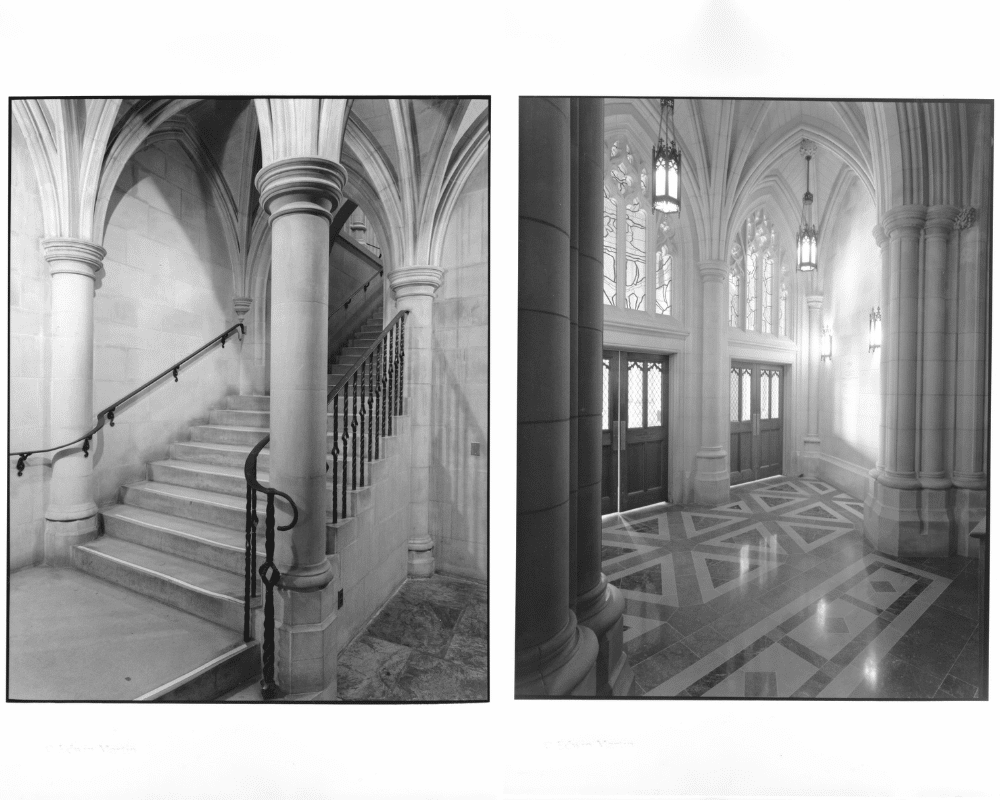
Photographer Edwin Martin is a teacher and curator of photography whose work can be found in several museums across the US and internationally. In 2024, Martin donated 100 photographs featuring the Washington National Cathedral between 2001 and 2009 to the Museum. These pre-earthquake photographs join the Museum’s extensive Washington National Cathedral Collection in documenting Washington, D.C.’s longest-running construction project.
Donor: Edwin Martin
Image: Photographs of the Washington National Cathedral by Edwin Martin.
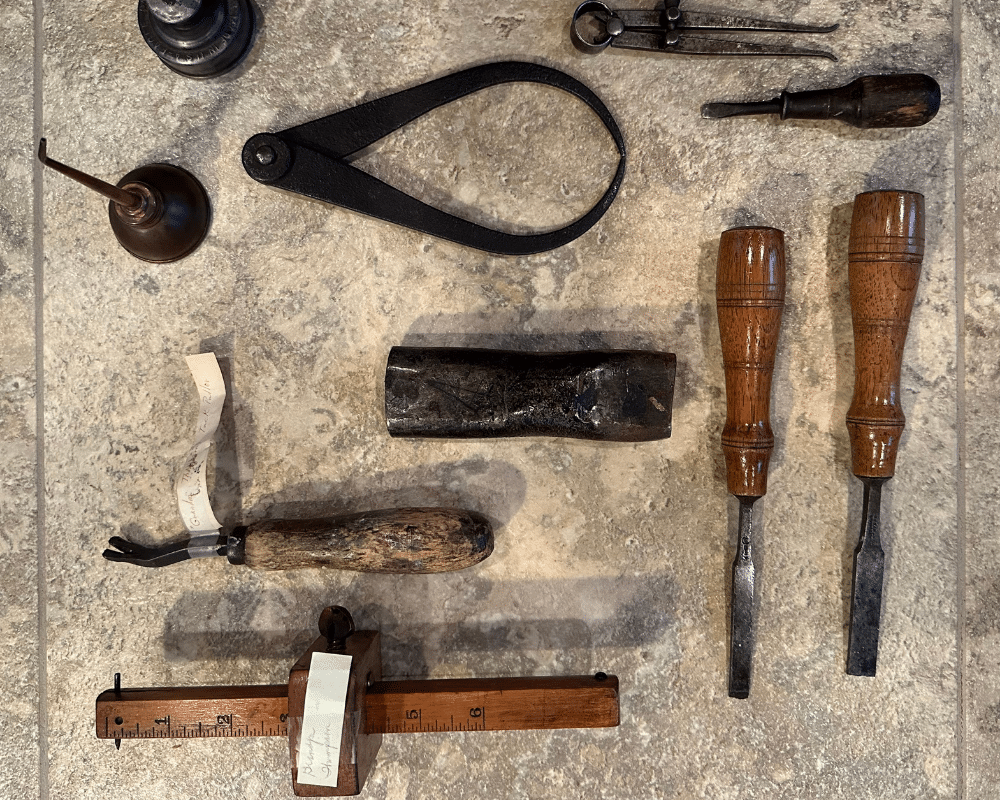
Andrew Thompson, who worked as a mason in mid-19th-century Ohio, is survived by his great-great-granddaughter Kristy Deetz. She donated several items related to Thompson’s work to the Museum, including tax documents, wills, receipts, and tools. These historic materials give unprecedented insight into the inner workings of the masonry business.
Donor: Kristy Deetz
Image: Historic masonry tools.
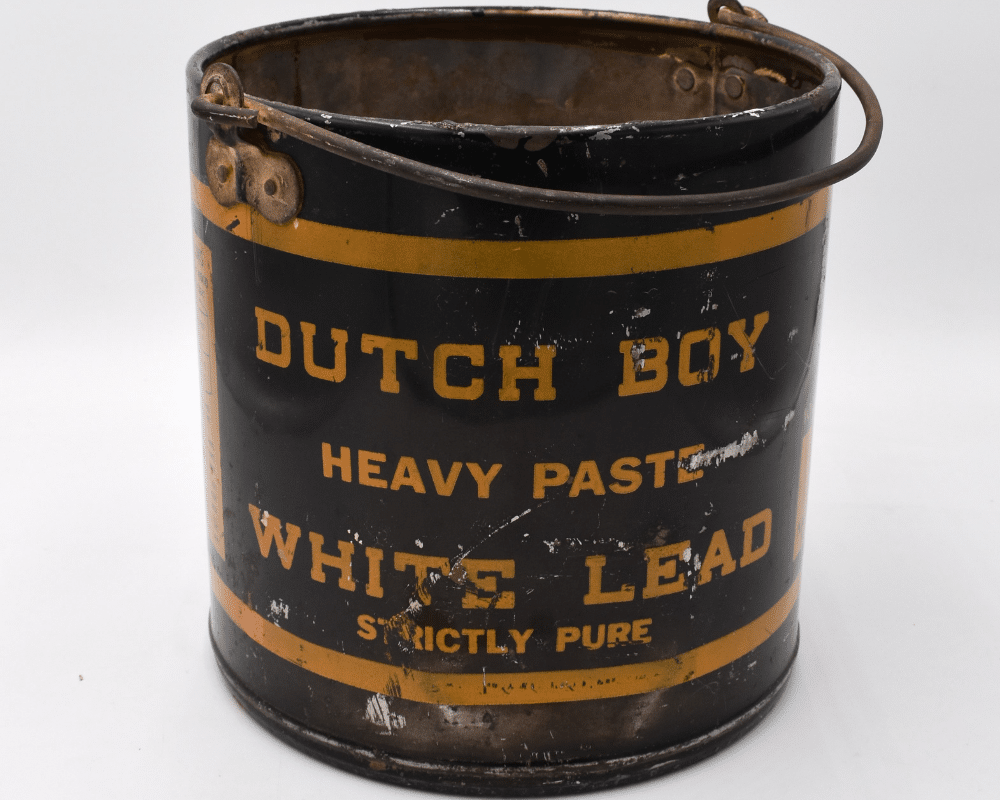
Earl Dotter, an Occupational Health & Safety photojournalist, has collected images and artifacts associated with some of his most celebrated work documenting hazardous occupations or situations. In 2024, Dotter donated Dutch Boy White Lead paint-branded items to the Museum as documentary evidence of the proliferation of lead paint throughout the 1900s in domestic and commercial spaces.
Donor: Earl Dotter
Image: Large metal 100 lbs can for Dutch Boy White-Lead heavy paste, 2024.17.1.
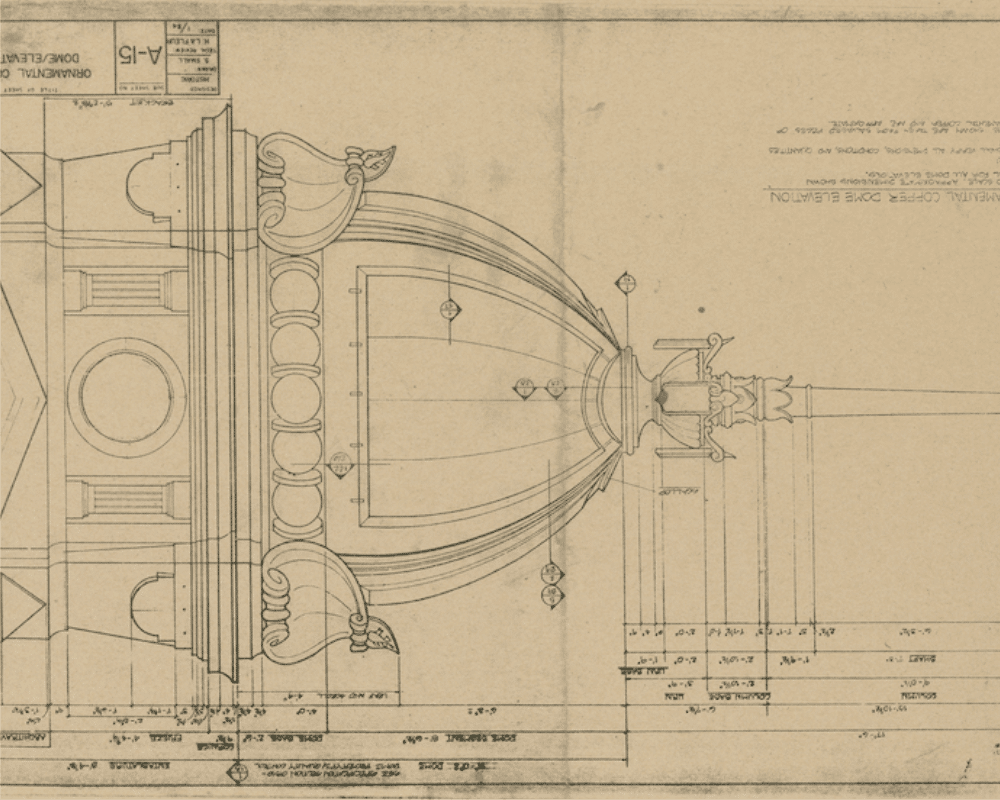
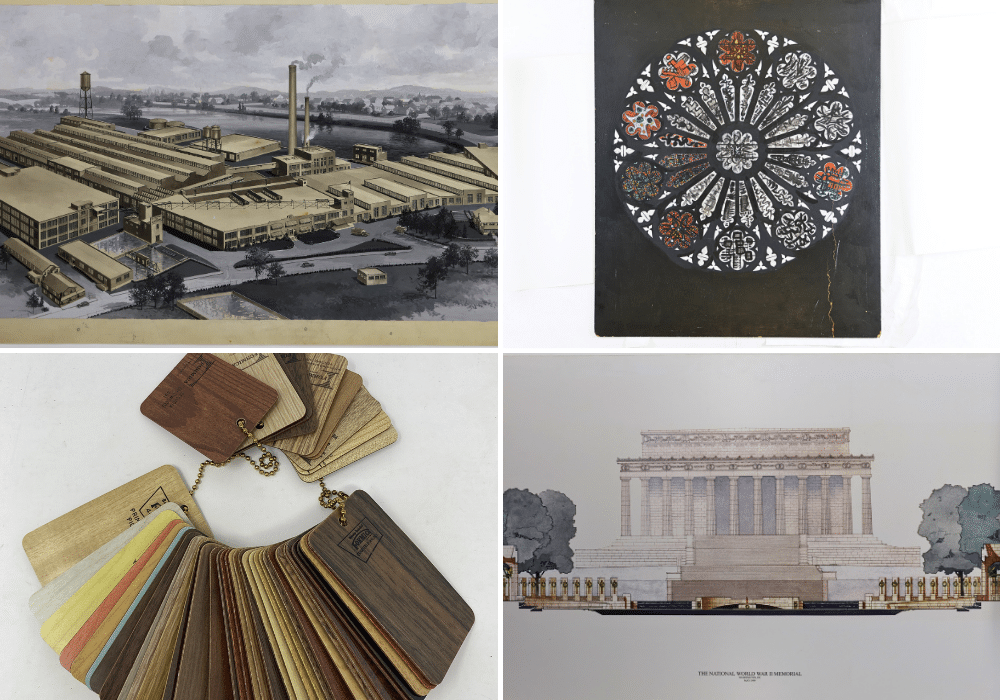
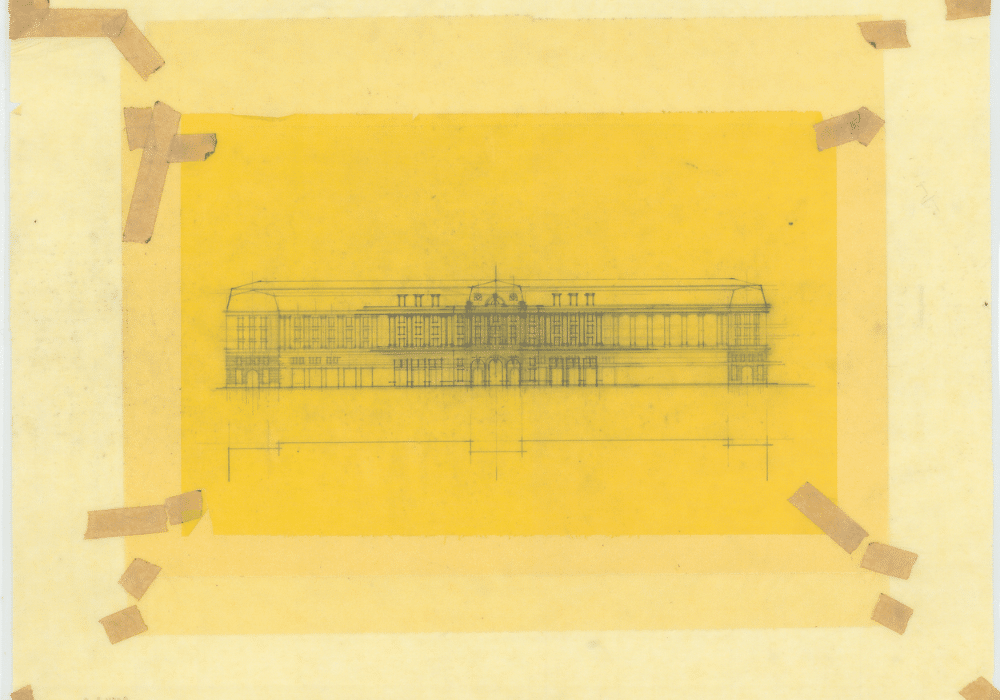
P.A. Fiebiger, Inc. was a family-owned metalworking business in New York City that operated from 1900 to 1993. Three generations of the family created metal artworks used by several influential families and businesses throughout the country, including the Morgan Library, the Frick Collection, Central Park, the US Capitol, the Met, American University, the Supreme Court, the Washington National Cathedral, Ellis Island, and the Statue of Liberty. Donated to the Museum by the Fiebiger Family, this collection consists of around 300 project files, some of which include correspondence with the client in addition to architectural drawings of metal artwork.
Donor: Fiebiger Family
Image: Metal artwork drawing.
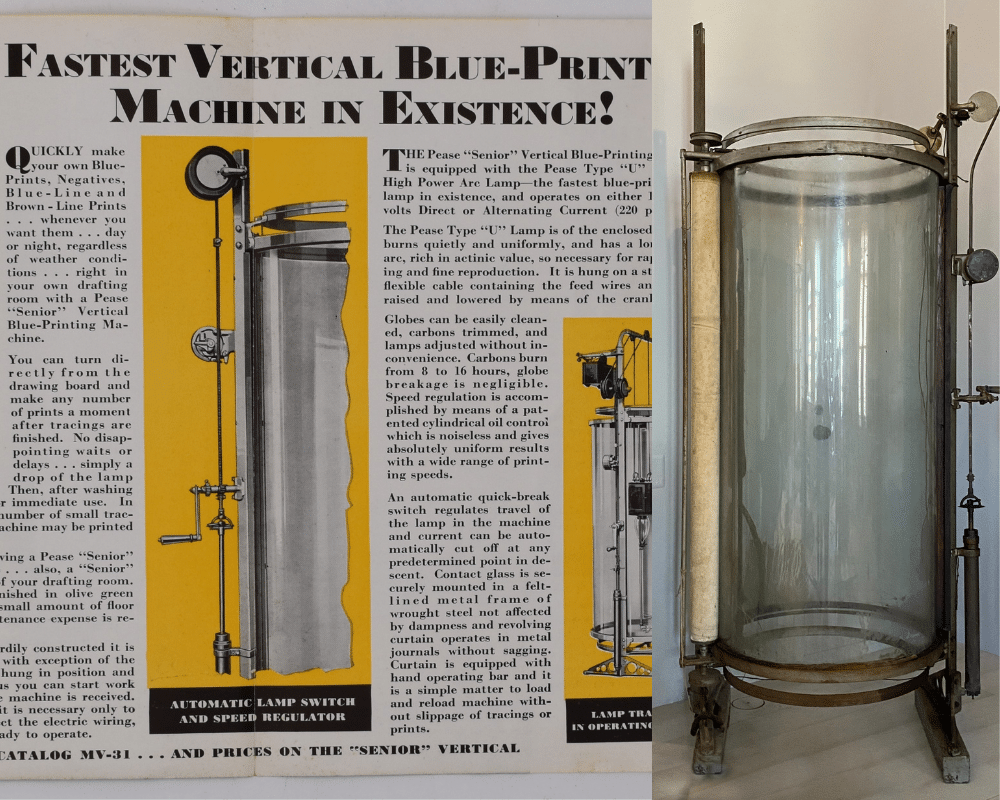
Owned by Joan LaGrave since her father’s passing, this antique blueprint machine produced by C.F. Pease & Company was found in a warehouse that once belonged to the L&N Railroad complex in Mobile, Alabama. LaGrave and her daughter, Elizabeth, donated this unique piece to the Museum, and it is on display in Visible Vault.
Donor: Joan LaGrave
Image: Left – User manual for Senior Vertical Blue-Printing Machine, 2024.19.10; Right – Vertical Blue Printing Machine, 2024.19.1.
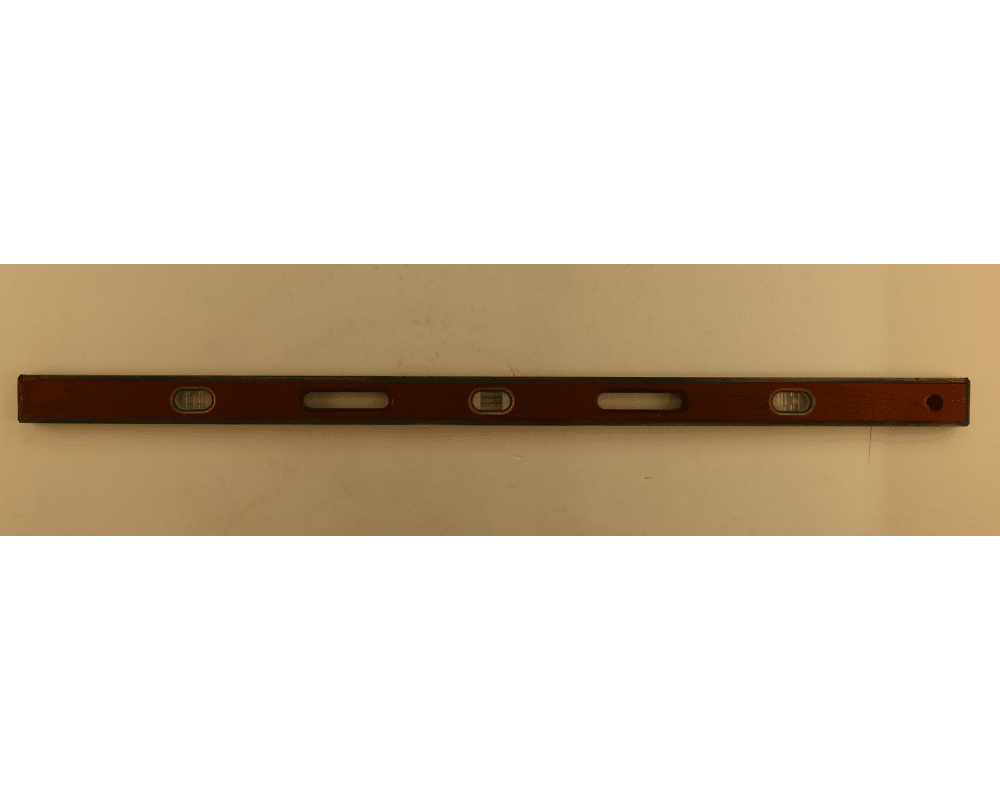
This level, made by Kraft Tool Co. out of Kansas City, Missouri, features brick and block dimensions for where each piece should be placed. Founded in 1981, Kraft Tool focuses specifically on hand-crafting tools. In 2005, they purchased a level company (Sands Level and Tool) that had been in business since 1895. This particular level was donated to the Museum by Hank Griffith in 2024.
Donor: Hank Griffith
Image: Kraft Tool Co. level, 2024.20.1.
The Museum is extremely grateful to these generous donors for working with us to inspire curiosity about the world we design and build. To learn more about the Museum’s permanent collection, search our online database here!